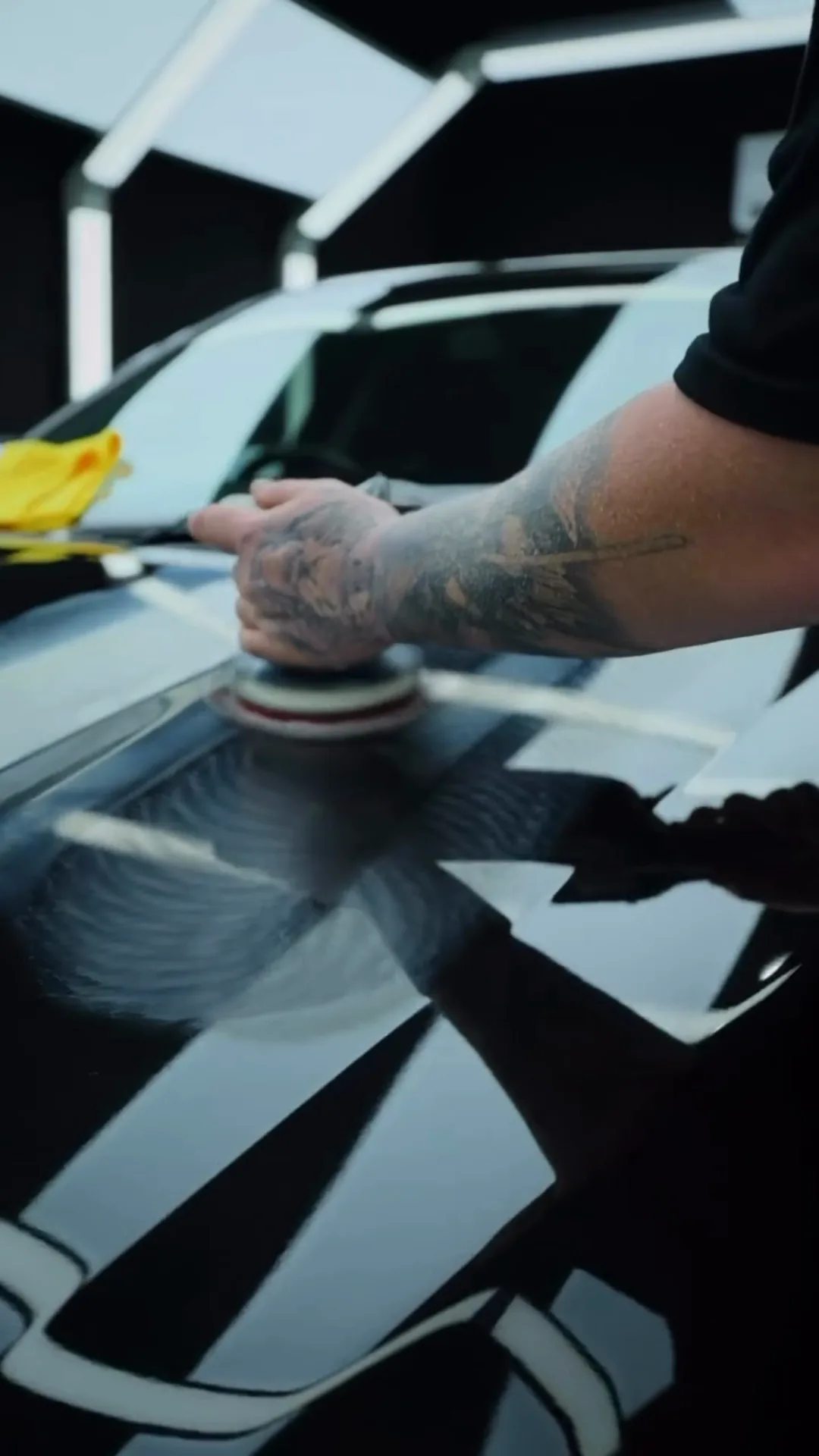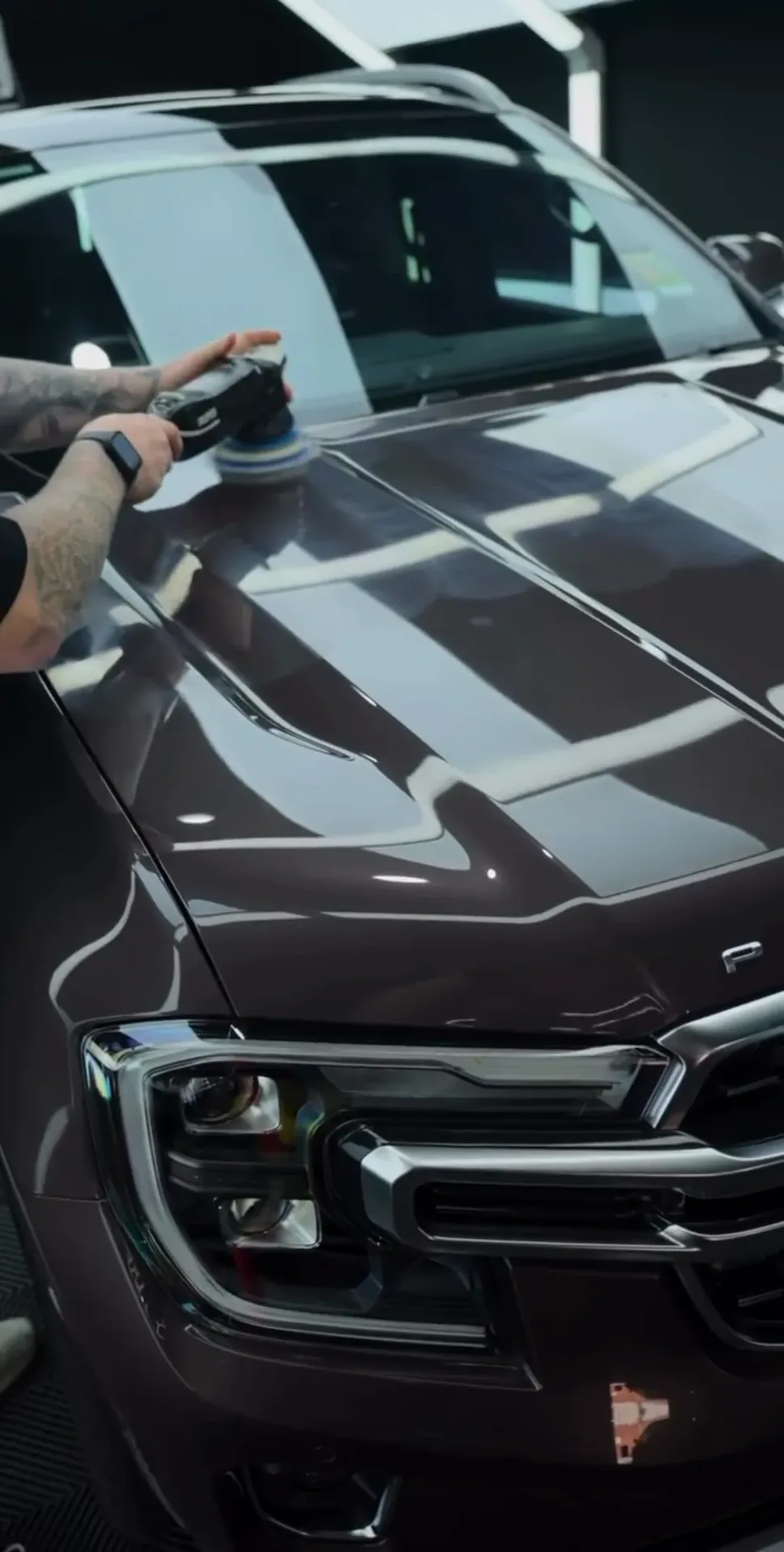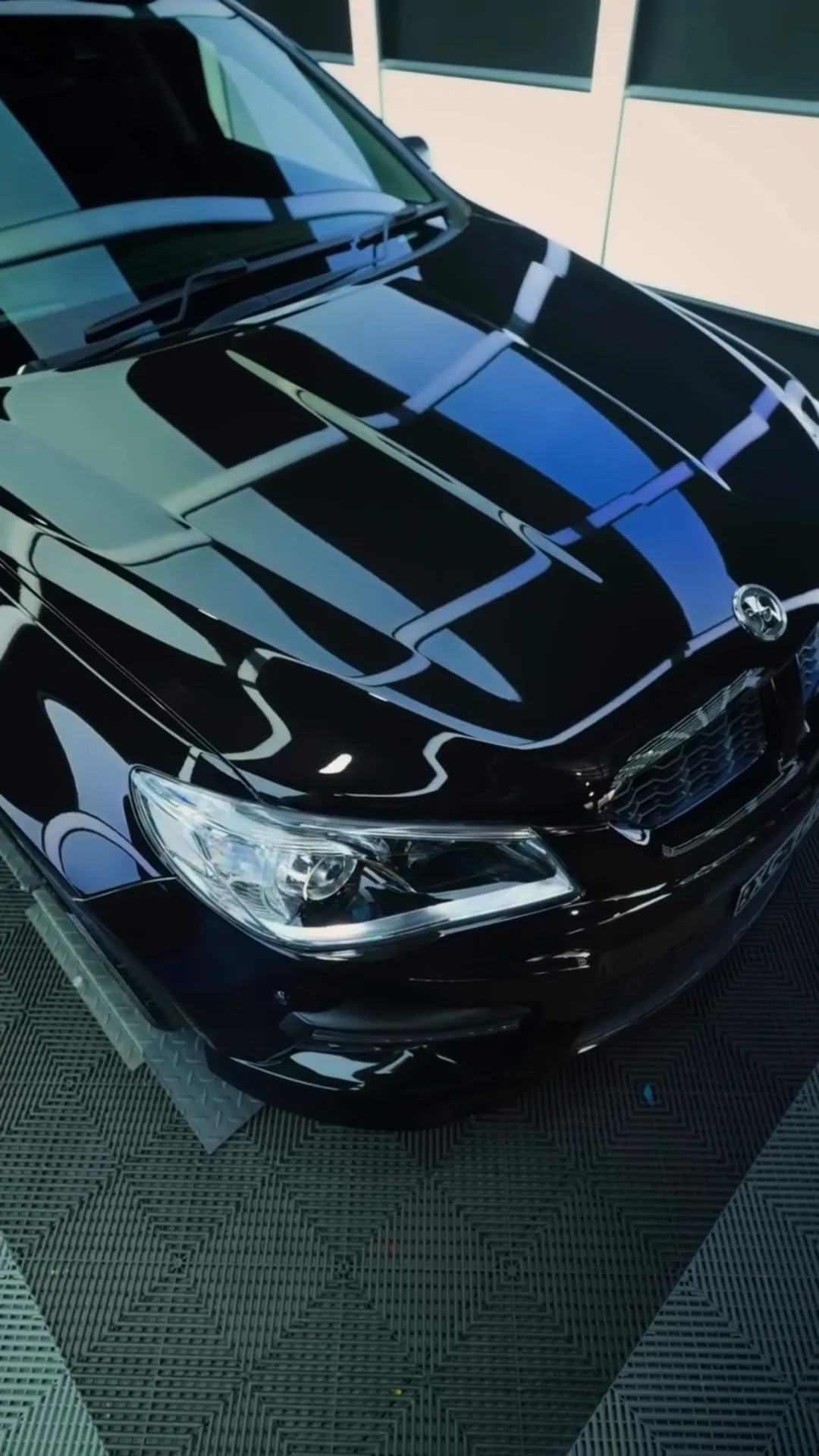
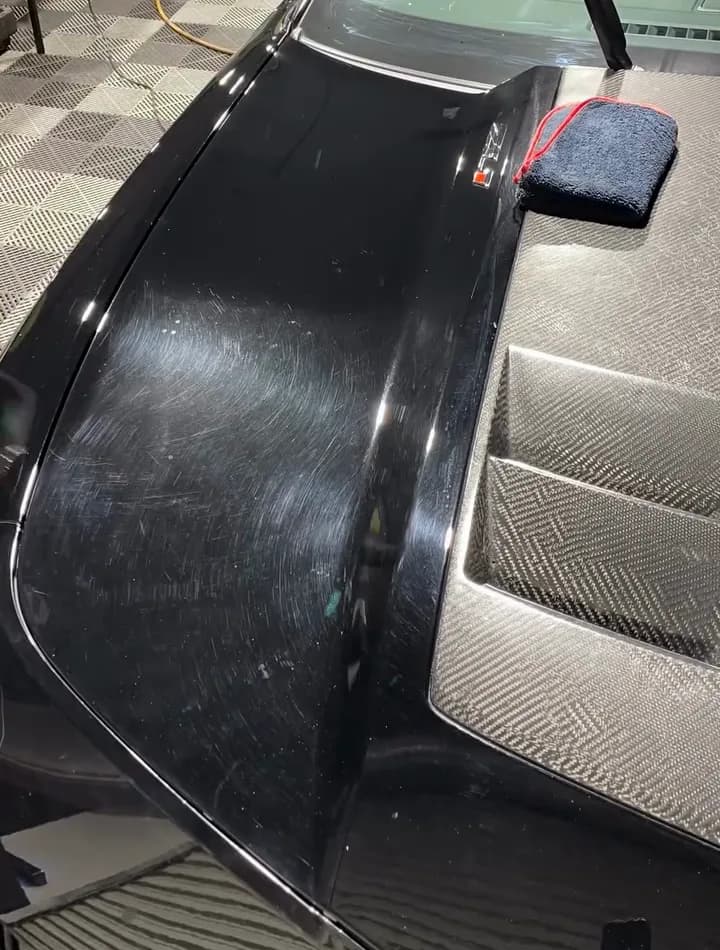
What causes swirl marks on car paint? Most come from contact that drags fine grit across the clear coat: automatic brush washes, dirty wash mitts, dry wiping, poor drying and dirty polishing pads. They look circular under a single light source, but the individual scratches run in many directions.
Swirls can usually be reduced with paint correction when enough healthy clear coat remains. They come back if the washing habits that caused them do not change.
That is why paint correction in Auckland works best alongside a better wash routine, and why Hayden works on every car himself rather than handing the polishing to someone else.
The Most Common Causes of Swirl Marks
Automatic Brush Car Washes
Brushes touch car after car and carry grit from each one. Regular use leaves fine marks that show up most on dark paint.
Dirty Wash Mitts and Sponges
A mitt or sponge loaded with grit becomes abrasive. Using the same one for the wheels and the paint makes it worse, because brake dust is especially harsh.
Dry Wiping and Dusting
Wiping a dusty car without enough lubrication drags particles across the surface. Quick detail sprays help with light dust, but not with real dirt or mud.
Poor Drying Technique
Old chamois, dirty towels, heavy pressure and drying a car that is still partly dirty all mark clear coat. Water spots left to dry also tempt people into rubbing harder later.
Poor Machine Polishing
Dirty pads, the wrong pad and polish combination or a skipped refining step can leave haze and holograms. They are related defects, even if they are not classic wash swirls.
Why Swirls Are More Visible on Dark Cars
Dark colours show the contrast between a scratch and the paint around it far more clearly. The marks are there on lighter colours too, just harder to see.
Lighting changes everything. Bright direct sun and service station lights reveal swirls that shade hides, and strong New Zealand sun makes them hard to miss on a clear day.
How to Check Your Paint for Swirls
Wash and dry the car, then look at a dark panel in direct sun or under a single bright light. Swirls show up as fine circular scratches around the reflection of the light source.
Shade and overcast days hide them, which is why a car can look fine in the driveway and swirled at a service station. A torch held close to the paint at night works too.
Do Swirl Marks Damage the Paint?
Mostly they are a cosmetic problem, but they are still scratches in the clear coat. Heavy swirling dulls the gloss across the whole car, and each correction to remove it uses up a little more of a finite layer.
That is why preventing them matters as much as fixing them.
Can Swirl Marks Be Removed Completely?
Many light swirls can be removed or greatly reduced with controlled polishing. How far it goes depends on how deep they are, how thick and hard the paint is and what has been done to it before.
Complete removal is not always the wisest target, because clear coat is finite. A test area on a representative panel shows what is realistic before the whole car is done.
How Paint Correction Fixes Swirls
After washing and decontamination, a machine polisher and the right pad and polish level a very small amount of clear coat around the defects. A one-stage enhancement reduces lighter marks and lifts gloss, while multi-stage correction goes further where the paint allows.
True correction removes defects rather than filling them. Ask how a service works and what will remain afterwards.
Can Wax or Ceramic Coating Hide Swirls?
Wax, glaze and filler-heavy products can hide swirls for a while, until they wash away. A ceramic coating is clear, so it seals in the paint as it is, which is why correction comes first if you want the swirls gone.
A coating such as Hermosa, which Hayden uses for ceramic coating across Auckland, makes washing easier, but it cannot stop a dirty towel or brush from adding new swirls.
How to Prevent Swirl Marks After Correction
Prevention is mostly about washing habits:
- rinse or pre-wash loose dirt before touching the paint
- use clean, soft wash mitts
- keep wheel tools separate from paint tools
- rinse or swap mitts as they load with dirt
- avoid automatic brush washes
- never wipe dry dust off the paint
- dry with clean, soft towels or filtered air
- remove bonded contamination without scrubbing
In Auckland, salt residue near the Waitematā and Manukau harbours, tree sap, bird droppings and rain-spread road film all tempt owners to scrub. Soften contamination first and let the product do the work.
If keeping up a careful wash routine is the hard part, a detailing membership puts the regular washing in Hayden's hands.
Will Hand Washing Prevent Every Mark?
No contact wash can promise zero marks forever. Hand washing reduces the risk when the tools and technique are right, but careless hand washing still causes swirls.
Two buckets, grit guards and plenty of clean mitts all help, but one of the biggest changes most owners can make is giving up automatic brush washes.
How Often Can Swirls Be Corrected?
There is no safe fixed schedule, because every correction removes some clear coat. Better washing, with a light enhancement only when it is really worth it, keeps the paint healthy for longer.
Paint thickness readings help with context, but they cannot state exactly how much clear coat is left on every panel.
Are All Circular Marks Swirls?
No. Water spots, polishing holograms, sanding marks and product residue can also look circular or change with the light. A proper clean and a test area tell them apart.
To get swirls assessed, send an enquiry for swirl mark removal and paint correction with the make, model, colour and your suburb. Hayden will come back to you and confirm the price before any work starts, and the enquiry claims up to a $500 credit towards any package.