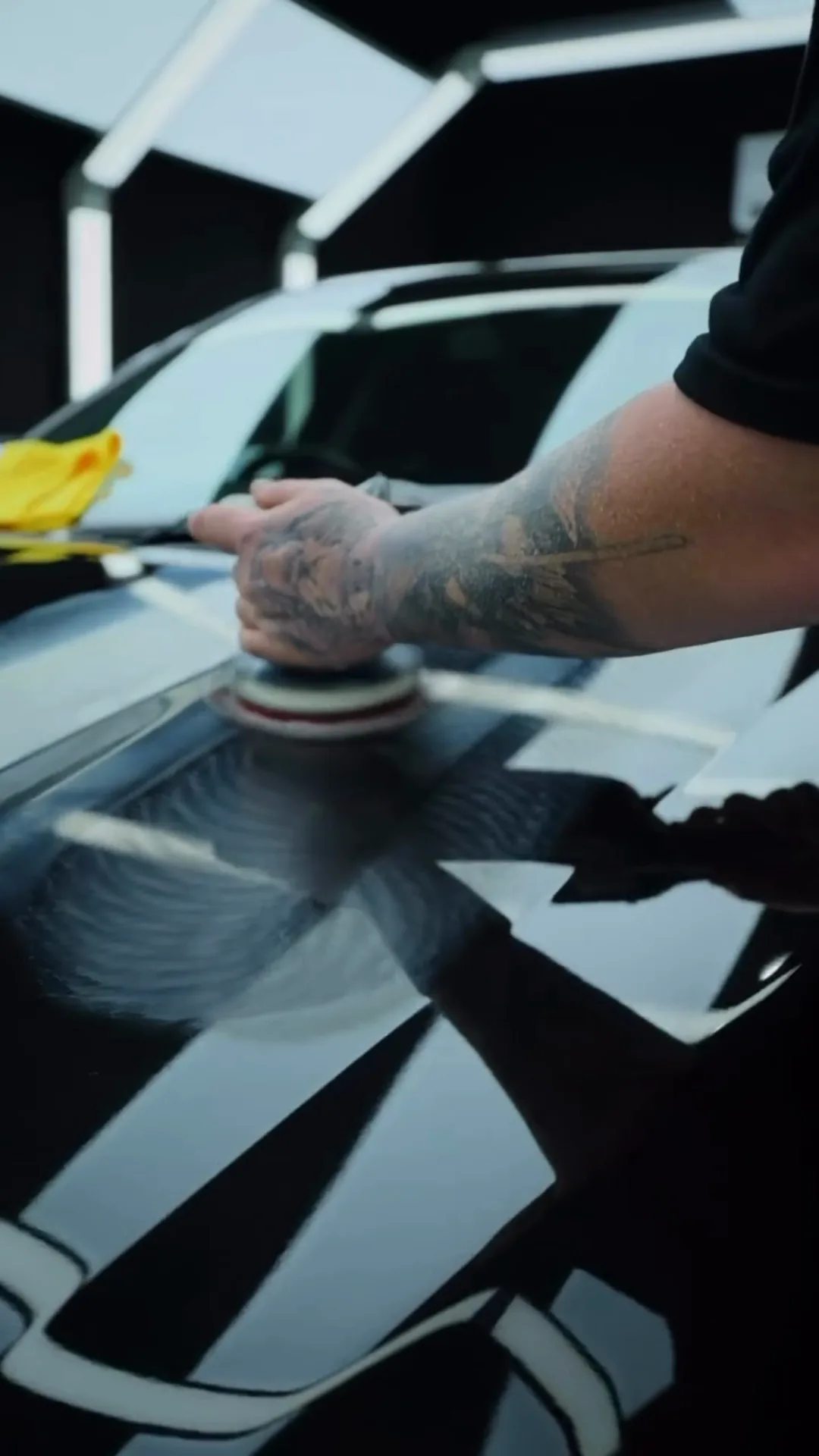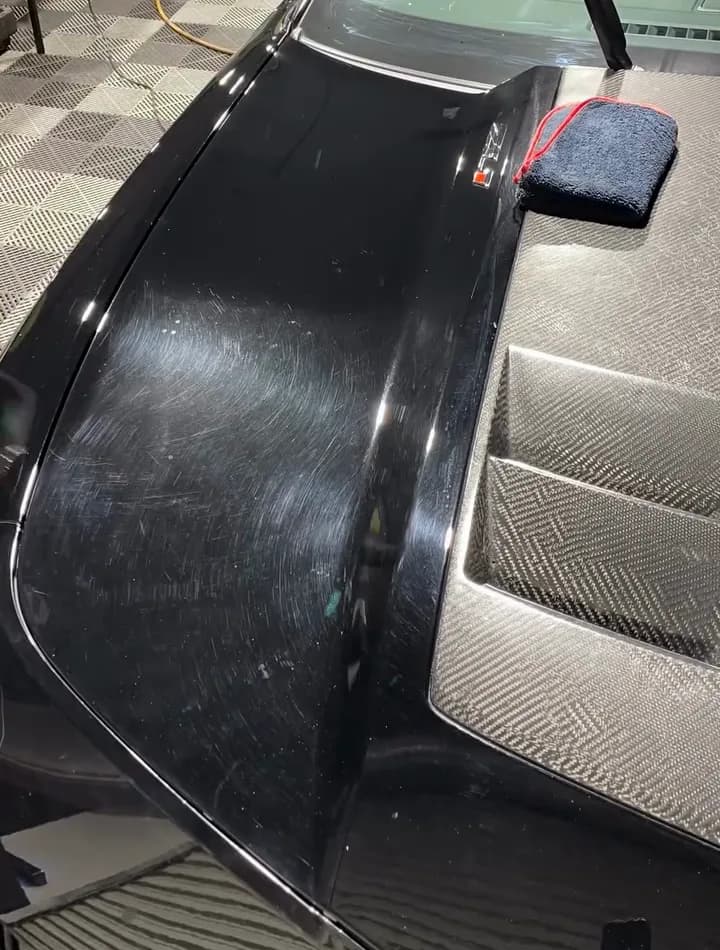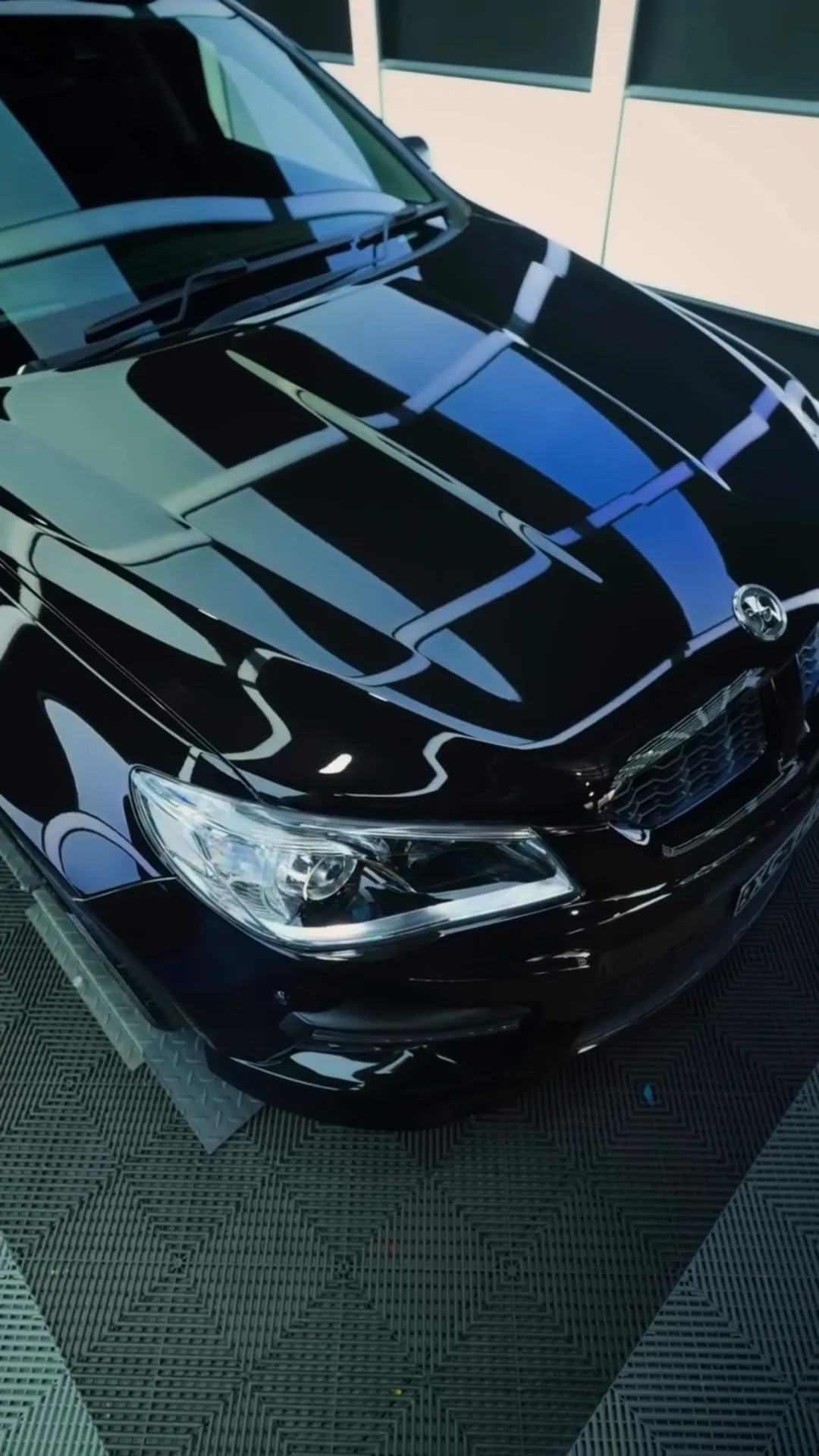
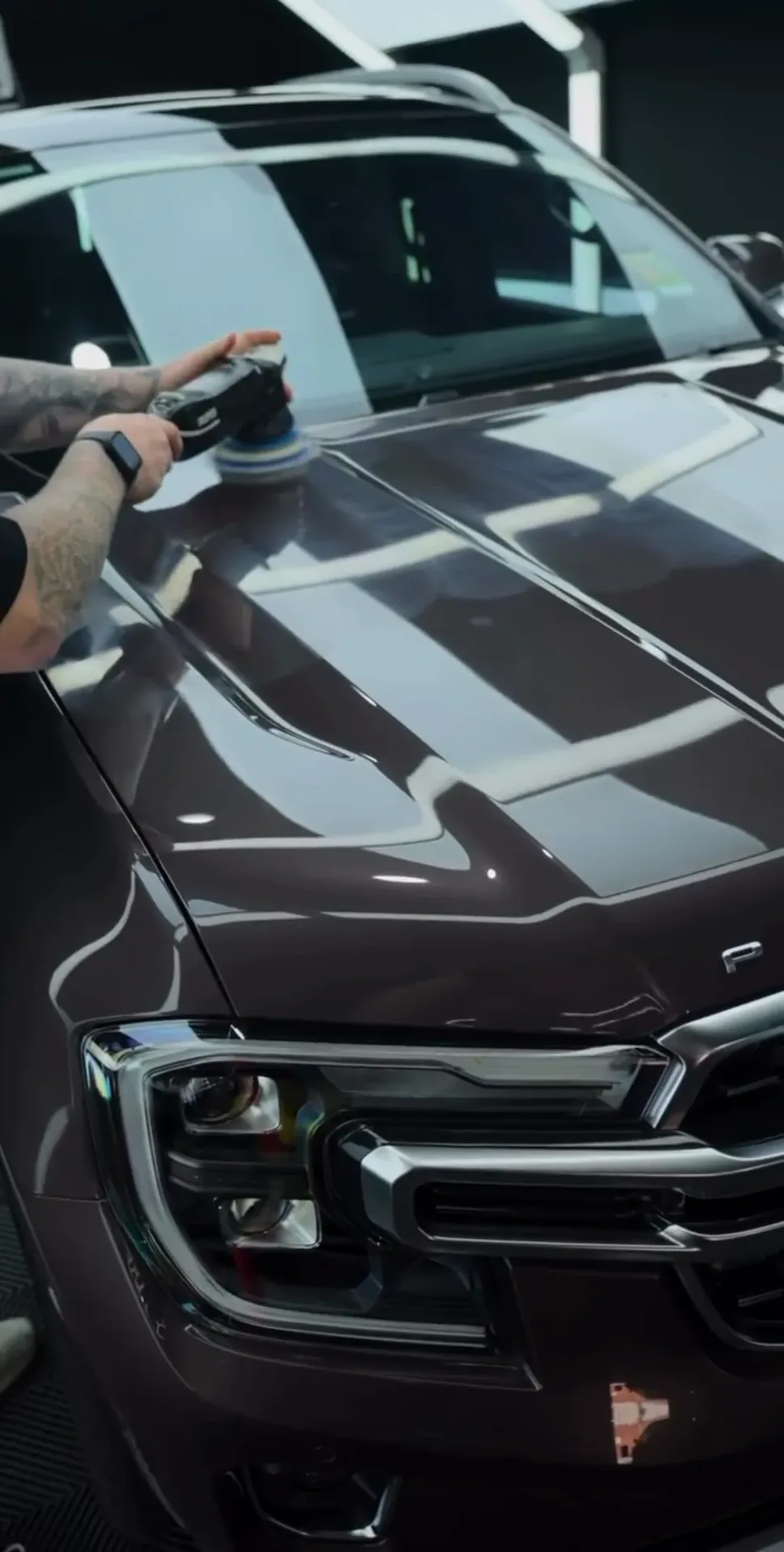
Can paint correction remove scratches? It can remove or greatly reduce scratches that sit within the clear coat, as long as enough healthy clear coat remains to polish safely. It cannot erase every mark, and scratches that go through the clear coat into the colour or primer need touch-up or refinishing instead.
The responsible target is the best safe improvement, not complete removal at any cost. Clear coat is finite, and chasing one deep scratch can leave the whole panel weaker.
If you are dealing with scratches on an Auckland car, professional paint correction starts with working out how deep they go.
How Deep Is the Scratch?
Car paint is built in layers: primer, colour and clear coat over the metal or plastic underneath. A light scratch affects only the top of the clear coat, while a deeper one can reach the colour, the primer or the bare panel.
Useful clues include:
- whether the scratch almost disappears when wet
- whether a fingernail catches in it
- whether a different colour, grey primer or bare metal is visible
- whether the panel has been repaired before
- how the scratch responds to a test polish
The fingernail test is only a clue. It cannot measure how much clear coat remains or guarantee that a scratch will polish out.
Scratches Machine Polishing Can Remove
Fine wash marks, light scuffs, paint transfer from another car and some isolated clear coat scratches often respond well. A careful detailer starts with the least aggressive approach, checks the result and only steps up when it is justified.
Some marks disappear completely. Others become much harder to see because their edges are softened, which is often a good outcome.
Scratches That Need Repair Instead
If colour, primer or bare panel is showing, polishing cannot replace paint that is missing. The options are usually:
- careful touch-up to protect the area and reduce how visible it is
- a smart repair, where suitable
- refinishing the panel at a body shop
- leaving the defect alone to preserve original paint
Touch-up can stay visible, especially on metallic or pearl colours, and refinishing has its own cost and colour-matching considerations.
Can Wet Sanding Remove a Deeper Scratch?
Wet sanding removes paint far more aggressively and carries much higher risk. It can level some clear coat defects when there is enough material, but edges, body lines, earlier repairs and thin paint can make it unsafe.
It is not a routine fix for every deep mark, and on many scratches the safer answer is to accept a softened line rather than take more paint away.
Why a Scratch Can Still Show After Correction
A scratch may be too deep, sit on thin paint, cross a sharp edge or need more clear coat removed than is sensible. Lighting also changes how visible it is from one angle to the next.
Leaving a softened line is often the safest professional outcome. An honest handover tells you what remains and why.
Does Ceramic Coating Fill Scratches?
No. A coating is clear and very thin, so it may add gloss but it does not rebuild missing clear coat. Any correction you want should be done before a coating goes on.
A coated car can still be scratched later, but ceramic coating in Auckland does make safe washing easier, which helps prevent new wash marks.
What to Do Right After Your Car Gets Scratched
Rinse the area gently to remove any grit, then look at it clean and dry in good light. That alone tells you a lot about how deep it is.
If bare metal is showing, do not leave it for months, because exposed steel can start to rust. Have it touched up or assessed promptly, and avoid rubbing at it with anything abrasive in the meantime.
Is It Worth Correcting One Scratch?
Sometimes a single scratch on an otherwise good panel is best handled with targeted correction on that area. Other times, a car with one obvious scratch also has general swirling that only shows once the paint is clean, and correcting the whole panel or car makes more sense.
Either way, the decision is easier once the paint has been washed and looked at properly.
Common Causes of Clear Coat Scratches
Light scratches usually come from everyday contact: dirty wash mitts, automatic brushes, wiping a dusty car, bags and keys, and branches brushing past a parked car.
Deeper scratches tend to come from keys, trolleys, other cars and road debris, which is why they are more likely to need repair than polishing.
What Affects the Cost of Scratch Correction?
Cost depends on how many scratches there are and where, how deep they go, how the paint responds and whether the work is targeted or part of correcting the whole car. One isolated scuff is a very different job from a heavily swirled car.
Paint correction at Marathon Detailing is quoted for the car, and Hayden confirms the price before any work starts.
Can You Make a Scratch Worse at Home?
Yes. Abrasive compounds, magic erasers, household cleaners and repeated rubbing can leave a hazy patch or remove more paint than the scratch did.
Clean the area gently, avoid filling it with an unknown product and get advice if the scratch shows colour, primer or metal.
Will Touch-Up Paint Make a Deep Scratch Invisible?
Usually not. Touch-up covers exposed colour or metal and helps protect the area, but metallic flake, pearl, ageing paint and the raised edge of the repair can stay visible.
If an invisible result is essential, panel refinishing is usually more realistic than touch-up.
Do Retail Scratch Removers Work?
Some contain mild abrasives that can improve light marks, while others rely on fillers that wash away. Used heavily, they can leave haze or thin an edge, and no product in a tube can replace paint that is missing.
If you have a scratch you want looked at, request a quote for scratch and swirl correction with the make, model, colour, your suburb and where the scratch is. Hayden will come back to you, and an enquiry also claims up to a $500 credit towards any package.