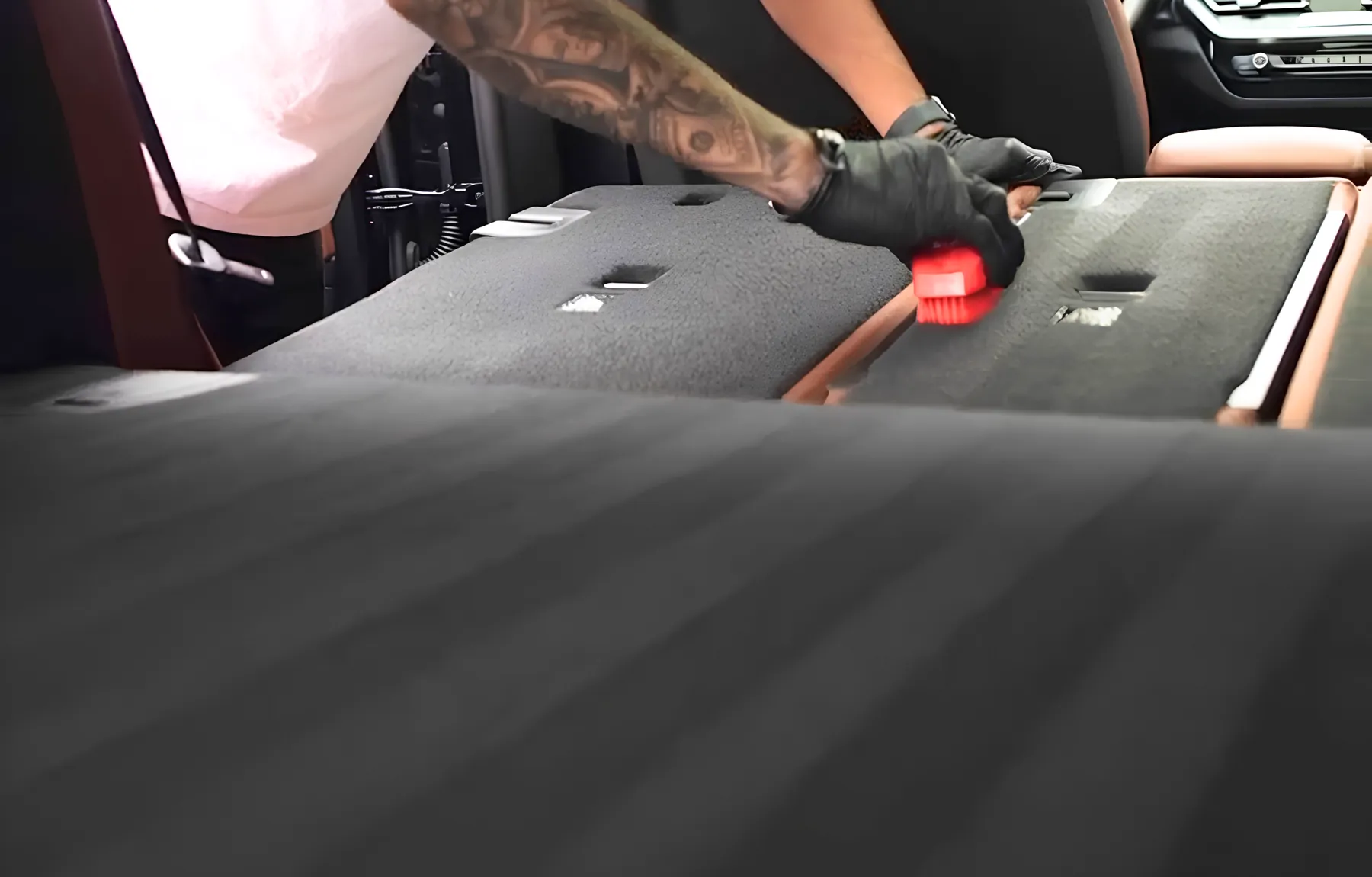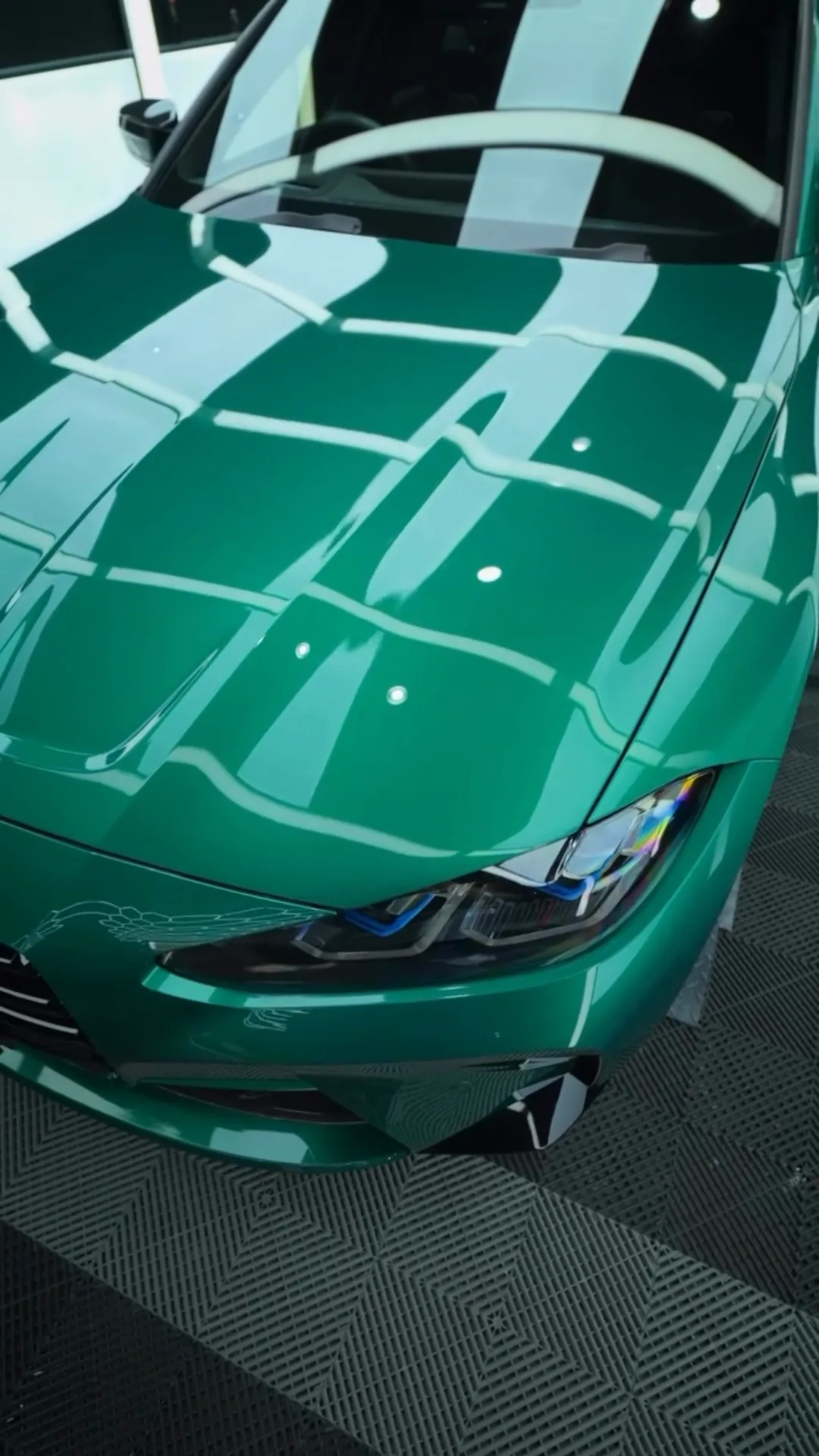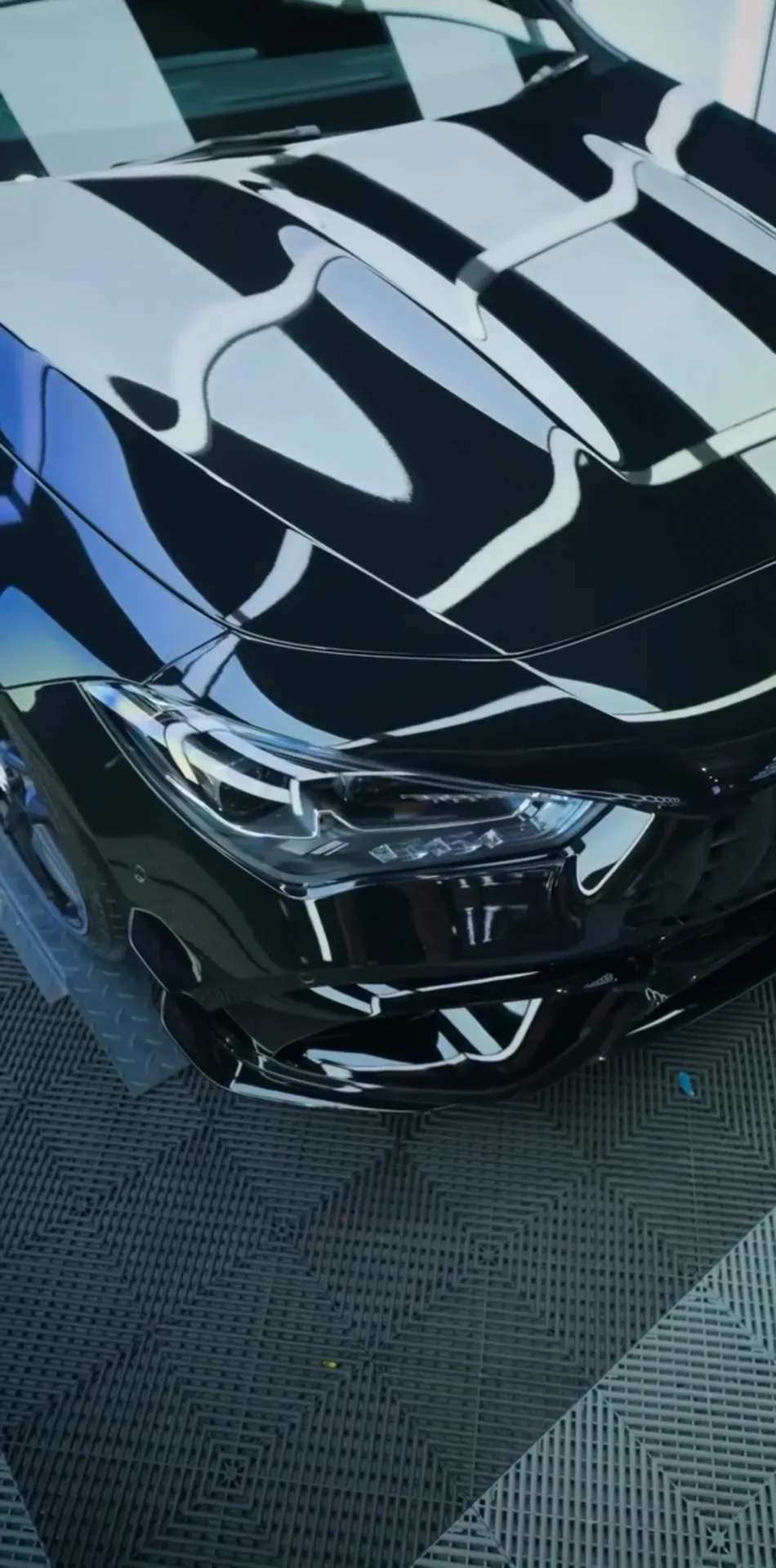
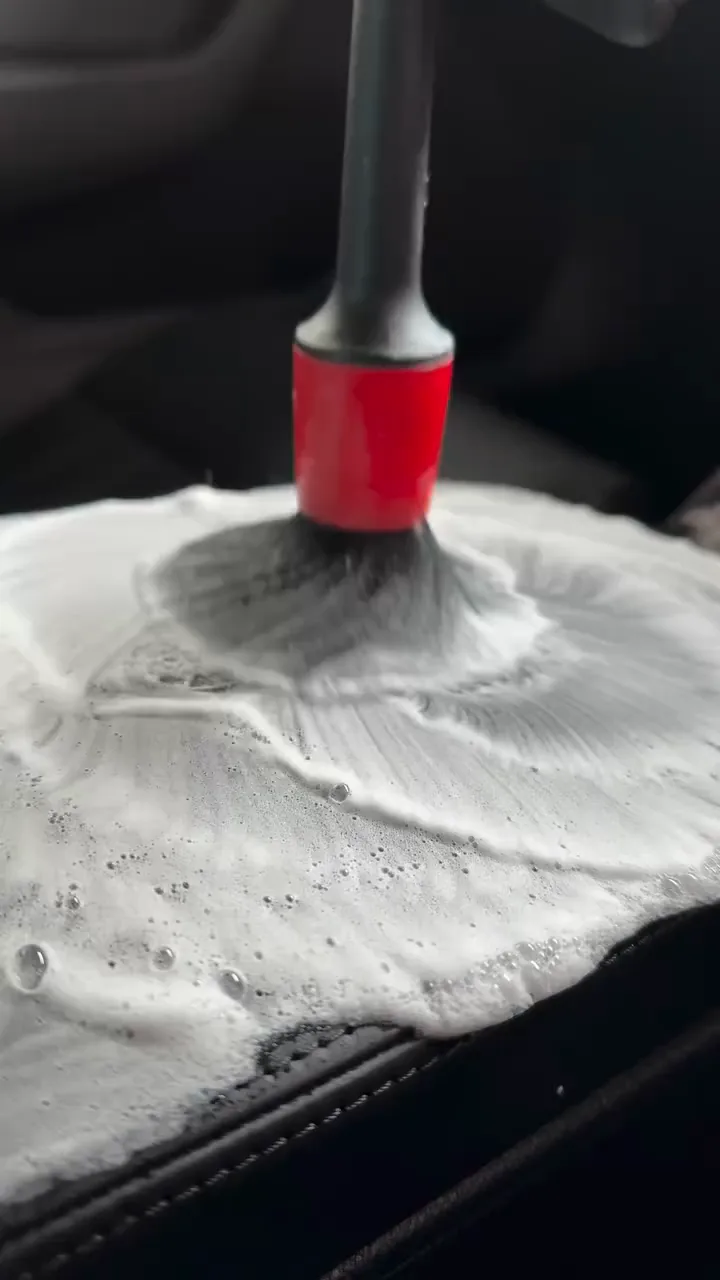
How to maintain your car after detailing comes down to a few repeatable habits: wash it safely at sensible intervals, deal with bird droppings and sap promptly, keep simple interior cleaning gear in the car and follow any aftercare for the protection that was applied.
You do not have to protect a detailed car by avoiding using it. The goal is to stop light dirt turning into stubborn contamination, and to avoid cleaning methods that add marks.
If you would rather hand some of it over, a detailing membership in Auckland brings Hayden back on a regular basis to keep the car where the detail left it.
The First Few Days After Your Detail
Ask whether any surface needs to stay dry or untouched while it cures or finishes drying. A basic clean may have no restrictions, while a coating, sealant or freshly cleaned upholstery can need extra care at first.
Before the detailer leaves, it helps to know:
- when exterior washing can start again
- how to handle rain or bird droppings in the first few days
- whether seats and carpets are fully dry
- which products or chemicals to avoid
- whether the protection needs any follow-up care
How Often Should You Wash a Detailed Car?
Wash it when it is meaningfully dirty rather than by a rigid calendar. For many daily drivers that is every one to three weeks, but parking, weather and use matter more than the date.
In Auckland, salt air near the Waitematā and Manukau harbours and the coast, tree sap, bird droppings and the road film that rain leaves behind can shorten that interval, especially for cars parked outside. Strong New Zealand UV also bakes contamination on faster in summer.
Long gaps let traffic film and contamination build up, while frequent washing with poor technique adds marks. Aim for timely, careful maintenance instead.
Washing After Rain or a Beach Trip
Rain is not a wash. It leaves dust and pollutants behind as it dries, so a car that has been rained on often needs a proper wash sooner rather than later.
After a trip to the beach or a drive along the coast, rinse salt and sand off the body, arches and lower panels before they sit for days.
A Safe Exterior Wash Routine
- Work in shade on cool panels where you can.
- Rinse or pre-wash loose grime before touching the paint.
- Use clean wash mitts and a pH-neutral car shampoo.
- Keep wheel tools separate from paint tools.
- Wash in small sections with light pressure.
- Rinse thoroughly.
- Dry with clean, soft towels rather than letting water evaporate.
There is more than one valid method. What matters is clean tools, the right products and light, careful contact.
Habits That Quickly Add Marks
Try to avoid:
- automatic brush car washes
- wiping dust off dry paint
- household detergents on paint
- dirty sponges, or one towel used on every surface
- scrubbing hard at bird droppings or bugs
- letting sprinkler or rain spots dry again and again
- unverified ceramic spray products over an existing coating
Touchless washes avoid brushes but can use strong chemicals and leave traffic film behind. If you use one for convenience, understand the trade-off.
Dealing With Bird Droppings, Bugs, Sap and Spills
Deal with harsh contamination quickly, but never by rubbing. Soften it with water or a suitable product and a clean microfibre towel, then lift it away, and ask for help if it will not release safely.
Bird droppings and bug residue can etch paint, especially on a hot panel in summer. Tree sap ranges from fresh and easy to remove to hardened deposits that need specialist treatment.
Inside the car, blot spills rather than scrubbing them, because scrubbing pushes them deeper into the fabric.
Keeping the Interior Clean After a Detail
Small, regular habits make the biggest difference:
- clear rubbish and food packaging regularly
- shake out or vacuum the mats before grit spreads
- keep a clean microfibre towel in the car for fresh spills
- use a sunshade or covered parking where you can
- avoid oily dressings that attract dust
- use cleaners that suit the material
- cover the boot when carrying pets, plants or sports gear
For a fresh spill, remove anything solid, blot the liquid and check the material before reaching for a cleaner. Screens, perforated leather and headliners need particular care.
Looking After Wax, Sealant or Ceramic Coating
Every kind of protection still needs washing. Wax and sealant wear away over time, and while a ceramic coating lasts longer, it still collects traffic film and mineral deposits.
Do not judge protection by water beading alone. Wash the car properly first, and use only products that suit the protection on it.
When to Book Your Next Detail
Book again when your own washing no longer brings the finish back, or when:
- the paint feels rough after washing
- traffic film or water spots will not shift
- grime has built up inside beyond a quick clean
- a stain or odour needs attention
- protection has stopped performing after a proper wash
- the car has had a long trip or unusually heavy use
Machine polishing should not be a routine part of that cycle. It removes a small amount of clear coat, so it should only follow the condition of the paint.
A Simple Maintenance Rhythm
- Every week or so: clear rubbish and deal with urgent contamination.
- When the car is dirty: a safe wash and a light interior clean.
- Every few months: check the paint, wheels, jambs, cabin and how the protection is behaving.
- When problems appear: ask before reaching for stronger chemicals or aggressive methods.
A detailing membership is the easiest way to keep that rhythm going. Like detailing, membership pricing is quoted for your car and confirmed by Hayden before any work starts.
To set up regular care or book a fresh full car detail, send an enquiry with the make, model and your suburb. Hayden will be in touch, and an enquiry also claims up to a $500 credit towards any package.