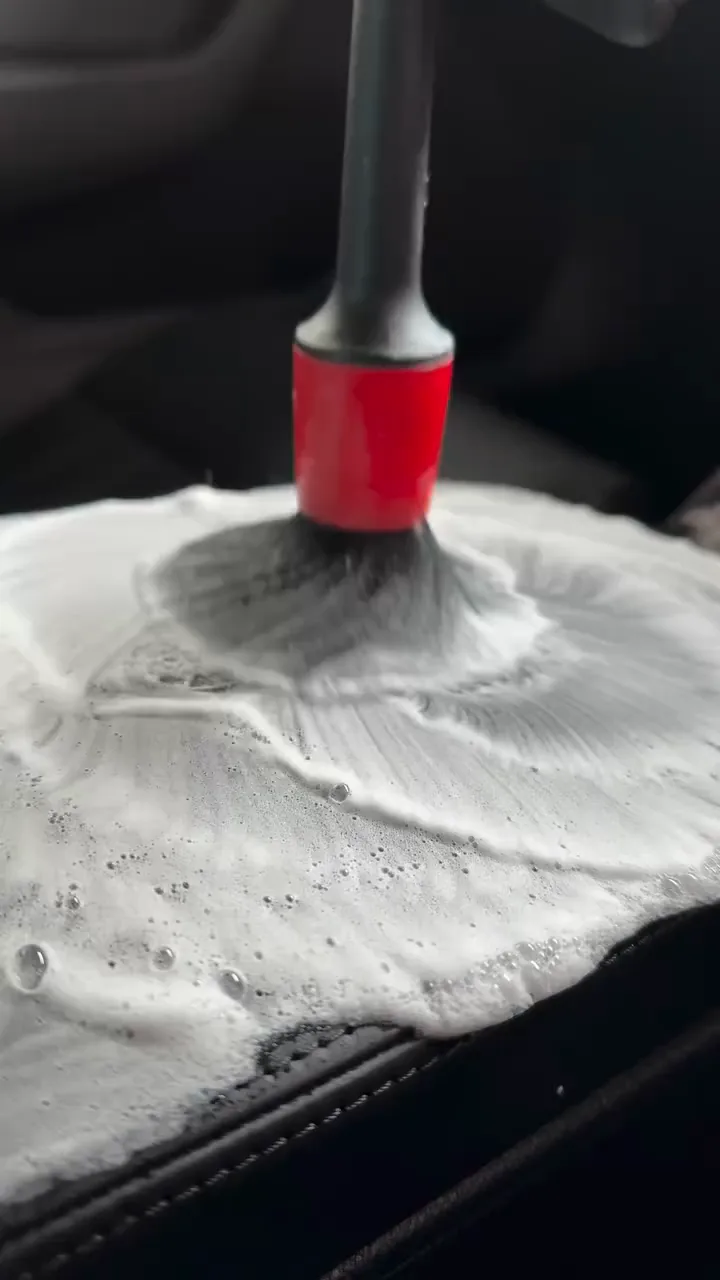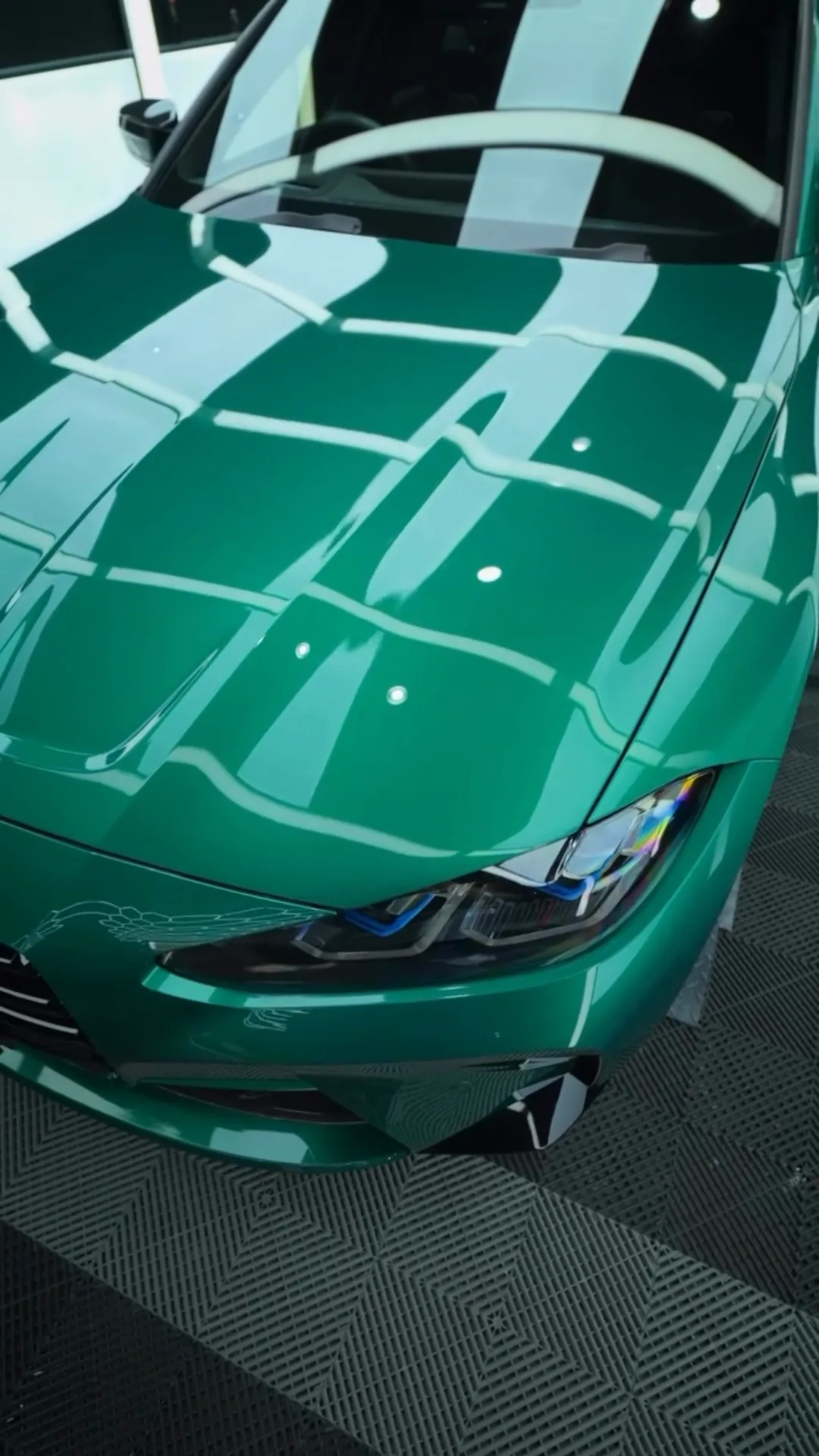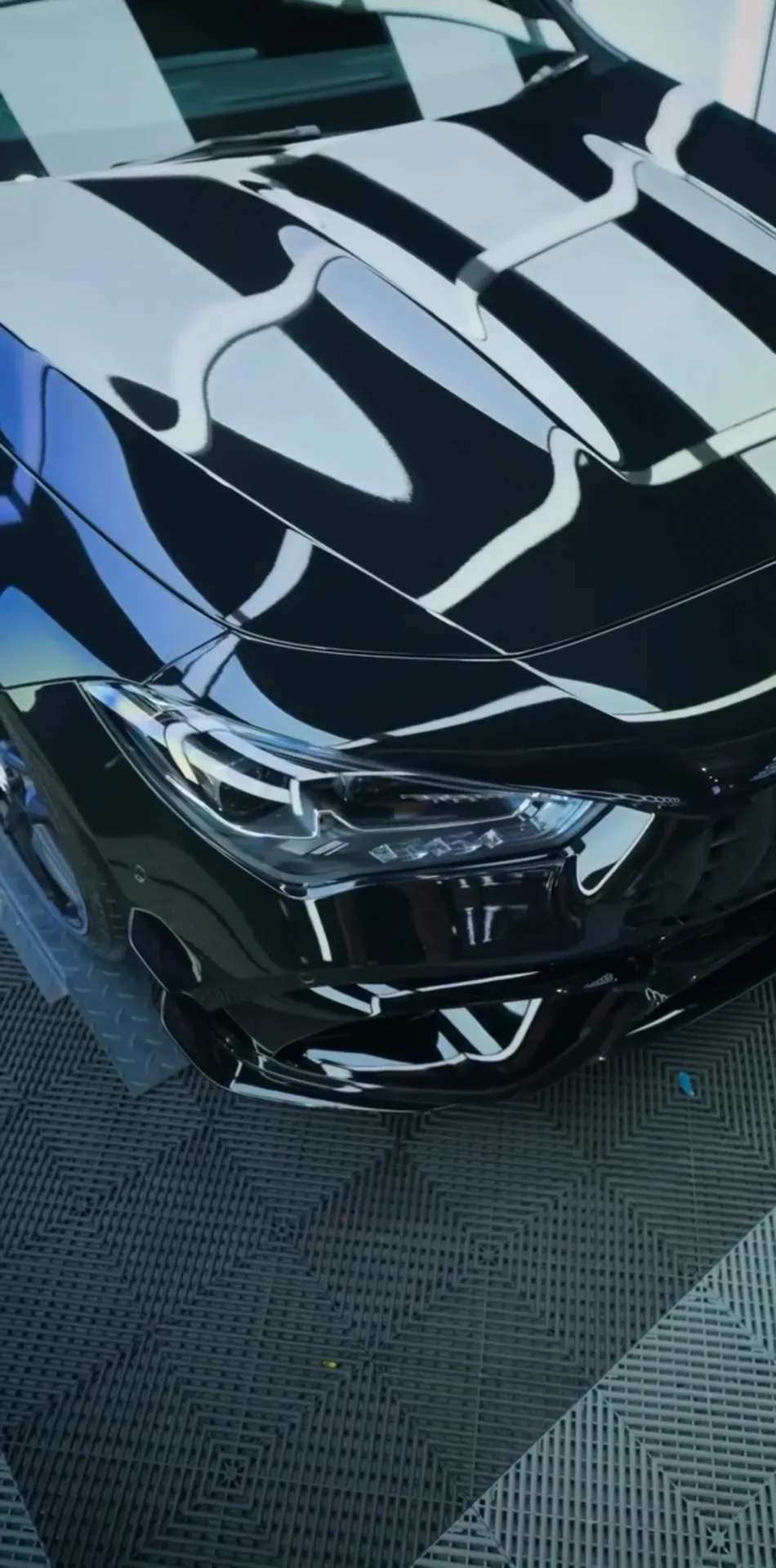
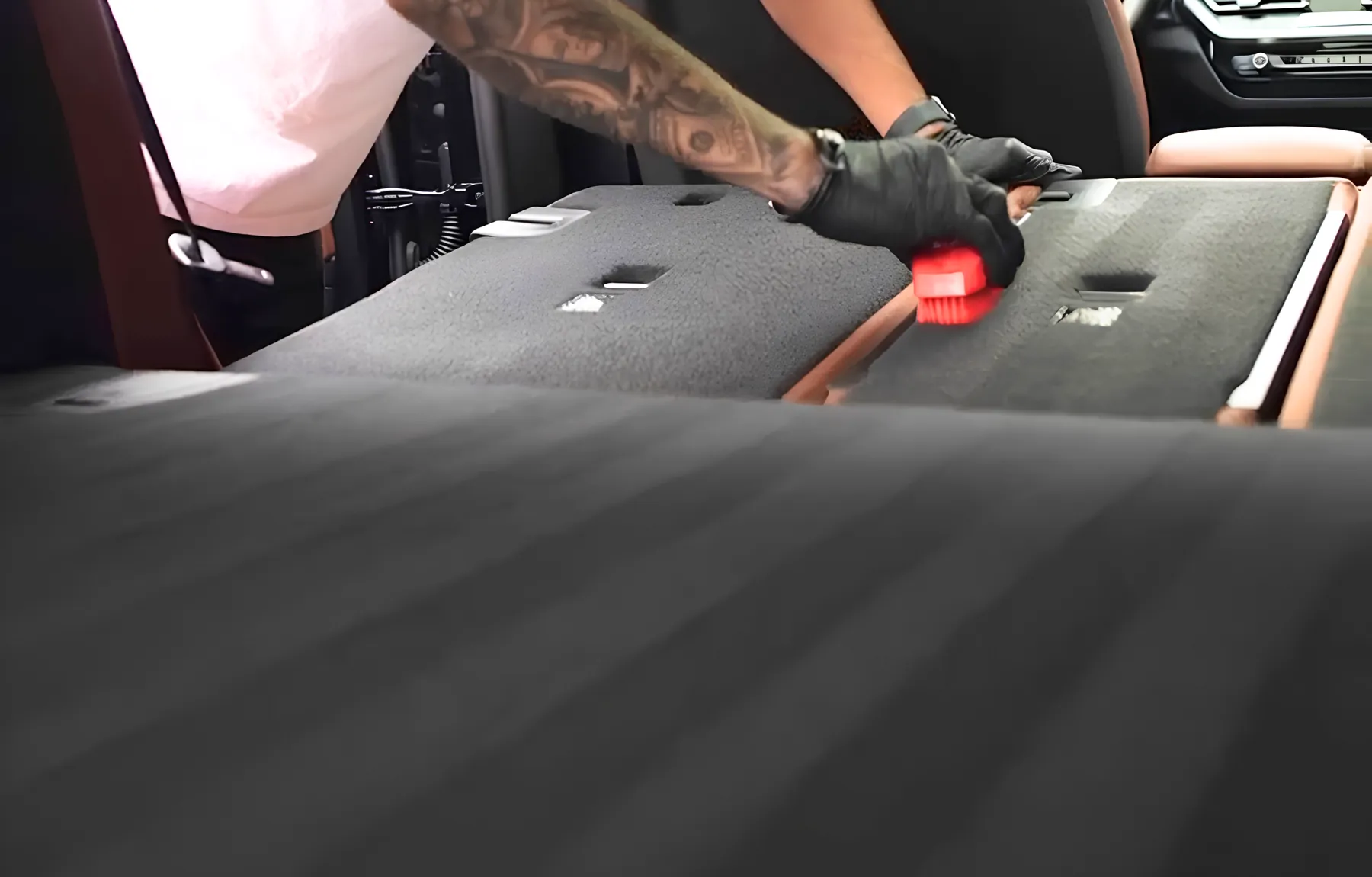
How often should you get your car detailed? For most regularly driven cars, a full professional detail every four to six months is a sensible starting point. A family SUV parked outside may need it sooner, while a garaged weekend car can go longer between details.
The right interval depends on how the car is used, where it is kept, what protection it has and the standard you want. Regular safe washing between details matters just as much, because no detail can make up for months of neglect.
If you would rather not keep track of it yourself, a detailing membership in Auckland keeps your car on a regular schedule with Hayden, who works on every car himself.
A Sensible Detailing Schedule for Most Cars
As a general guide:
- Every one to three months: hard-working cars, cars carrying children or pets, cars parked outside, and owners who want a consistently high standard.
- Every four to six months: most daily drivers that are washed reasonably often and kept tidy inside.
- Every six to twelve months: lightly used, garaged cars with good maintenance and suitable protection.
- As needed: specialist work such as stain treatment, decontamination or paint correction, which should follow the car's condition, not the calendar.
These intervals are for a thorough professional detail, not routine washing. Most cars still need a wash every week or every few weeks in between, depending on use and contamination.
Why Auckland Cars Often Need Detailing Sooner
Two cars of the same age can need very different care. In Auckland, these make the biggest difference:
- strong New Zealand UV on cars parked outside
- salt air near the Waitematā and Manukau harbours and the coast
- tree sap and bird droppings
- rain and the road film it leaves behind
- regular motorway driving
- children, pets, food or sports gear inside
- long gaps between safe washes
If several of these apply, waiting for a fixed anniversary lets contamination and interior grime become harder to remove. Bird droppings and sap in particular are better dealt with in days, not months.
What Counts as a Detail in This Schedule?
The word detail gets used loosely. A maintenance detail focuses on thorough, safe cleaning and topping up protection, while a full car detail goes deeper inside and out.
Paint correction is different again. It removes a small amount of clear coat to reduce defects, so it should be based on the condition of the paint rather than repeated on a schedule.
Before comparing how often to book, ask what each service actually includes. Two businesses can use the same name for very different amounts of work.
Signs Your Car Is Due for a Detail
The Paint Feels Rough After Washing
Bonded contamination can stay on paint after an ordinary wash. If clean paint feels gritty, decontamination is due, and scrubbing harder will only add marks.
Water No Longer Beads or Sheets the Way It Did
A change in water behaviour can mean contamination or worn protection. Clean the car properly before deciding the protection has gone, because traffic film can hide a healthy layer.
The Interior No Longer Responds to a Quick Clean
Persistent odours, built-up grime, embedded pet hair and stains are signs that a vacuum and wipe-down are no longer enough. Some stains and odours cannot be fully removed once they reach the padding underneath, which is a good reason not to wait.
There Are Parts of the Car You Avoid
Sticky cupholders, dirty door jambs, cluttered boots and grimy wheels tend to get worse because they are awkward to clean. A detail resets them and makes regular upkeep easier.
Does a New or Coated Car Need Less Detailing?
A new car still collects traffic film, mineral spots, spills and interior grime. A ceramic coating, wax or sealant makes upkeep easier, but none of them makes a car self-cleaning or scratch-proof.
Protected cars do best with regular, gentle maintenance rather than long gaps. The detail itself is often lighter when contamination is dealt with early, and the aftercare for the protection on your car should always be followed.
What Happens If You Leave It Too Long?
Contamination that sits for months is harder and slower to remove, and some of it does lasting damage. Bird droppings and sap can etch the clear coat, grime works into seat fabric and carpet, and brake dust bakes onto wheel finishes.
A car that is detailed before it reaches that point usually needs a lighter, gentler service, which is better for the paint and the interior alike.
Can You Detail a Car Too Often?
Safe maintenance cleaning can be frequent. Aggressive processes should not be, because harsh chemicals, repeated polishing and poor washing technique wear a car rather than protect it.
The better question is what the least aggressive service is that gets the car where it needs to be. A good detailer should be comfortable recommending a lighter service when a bigger one is not needed.
How to Keep the Car Clean Between Details
Good habits stretch the time between professional visits:
- wash the car when it is dirty, using clean mitts and a pH-neutral shampoo
- remove bird droppings and sap as soon as you see them
- keep rubbish and food out of the cabin
- shake out or vacuum the mats regularly
- use a sunshade or covered parking where you can
None of this replaces a proper detail, but it stretches the time between them and makes each one easier.
A Practical Detailing Plan for the Year
For a typical Auckland daily driver, a workable year looks like regular safe washes, light interior upkeep, a thorough detail every four to six months and specialist work only when the car needs it. Change the plan after a long road trip, a season of outdoor parking or a new pet.
A detailing membership is the simplest way to keep to that plan without having to remember it. Membership pricing is quoted for your car, and Hayden confirms it before any work starts.
To set up a schedule that suits your car, request a quote with the make, model and your suburb. Hayden will come back to you, and the enquiry also claims up to a $500 credit towards any package.