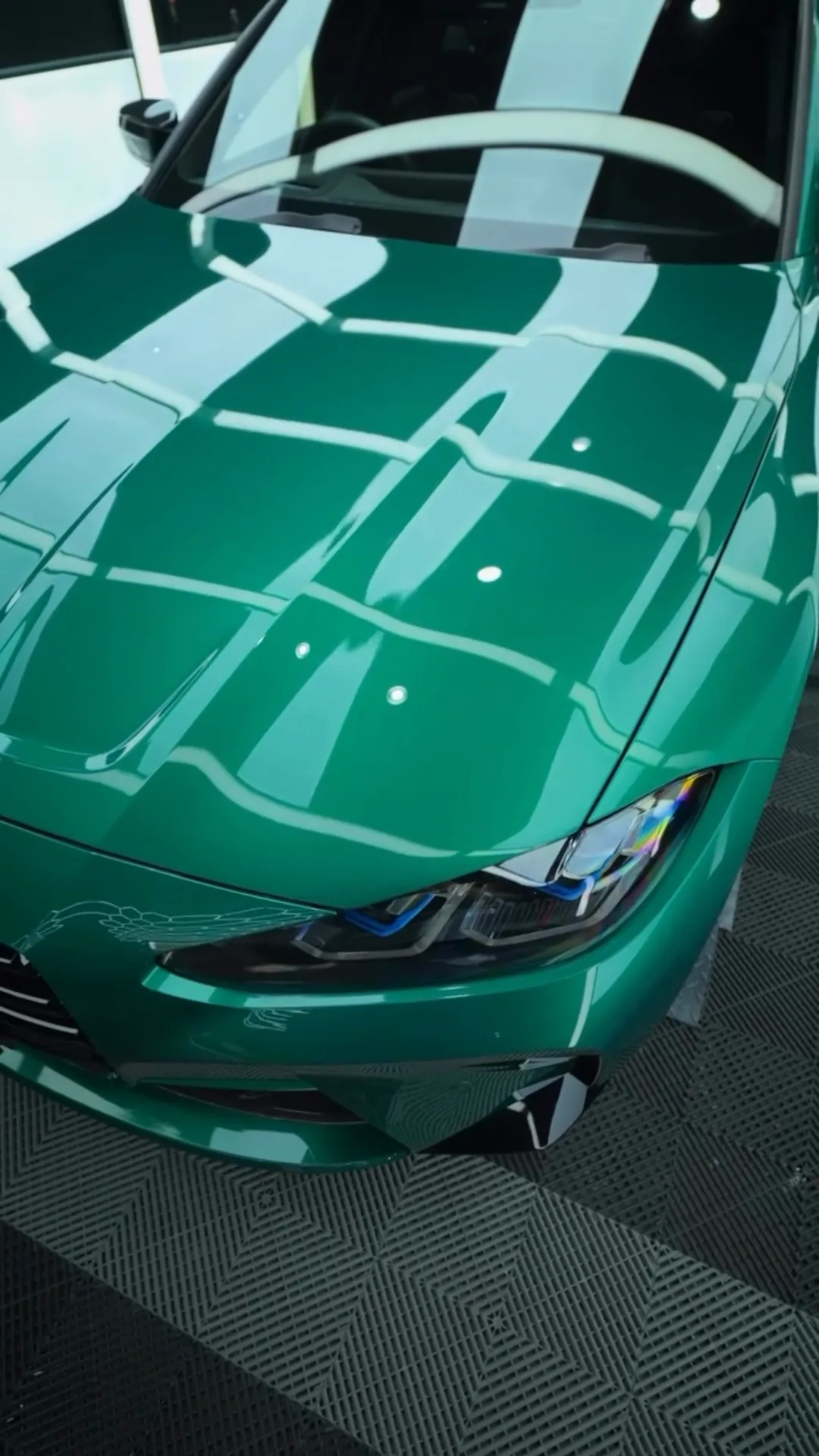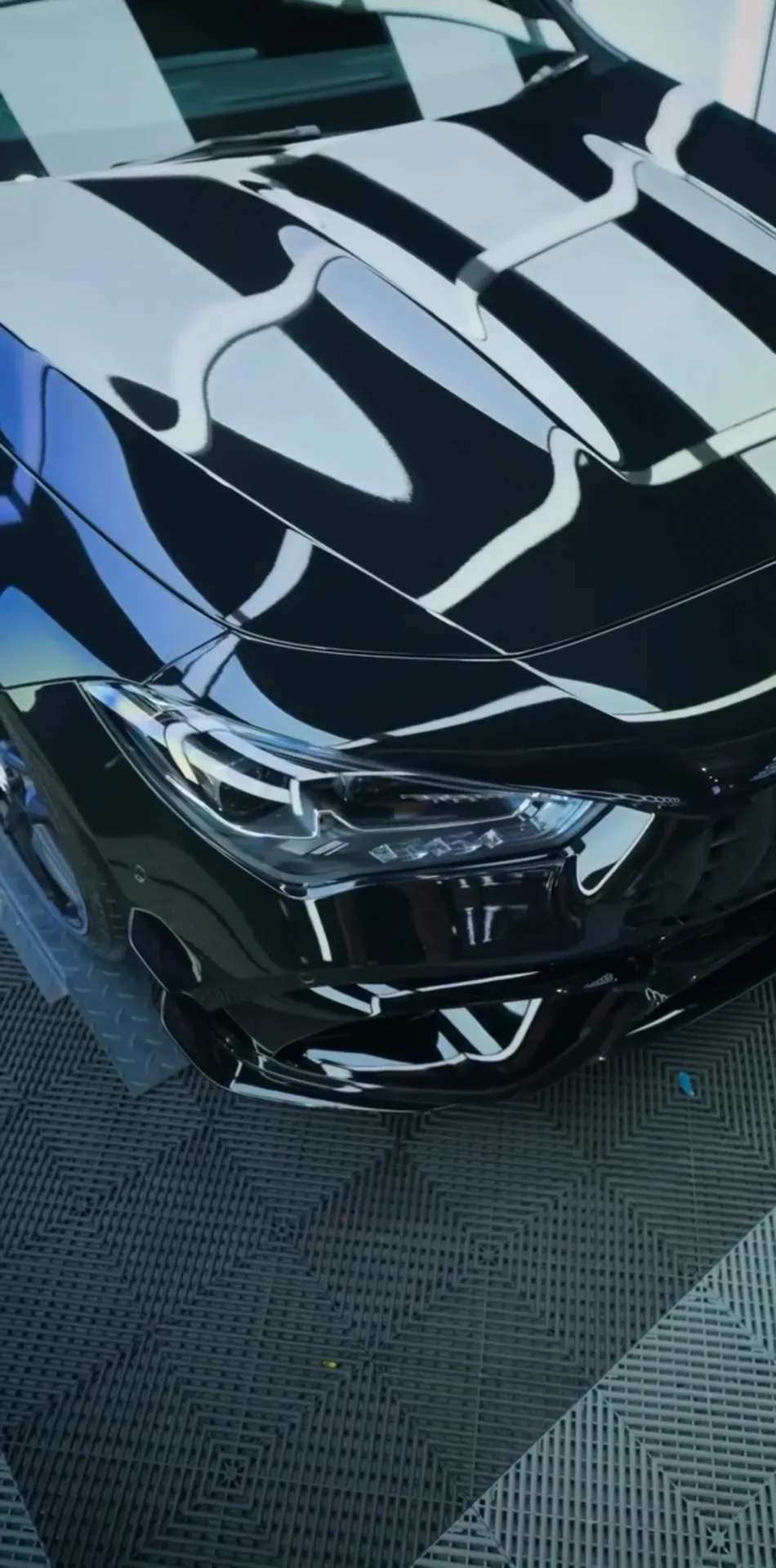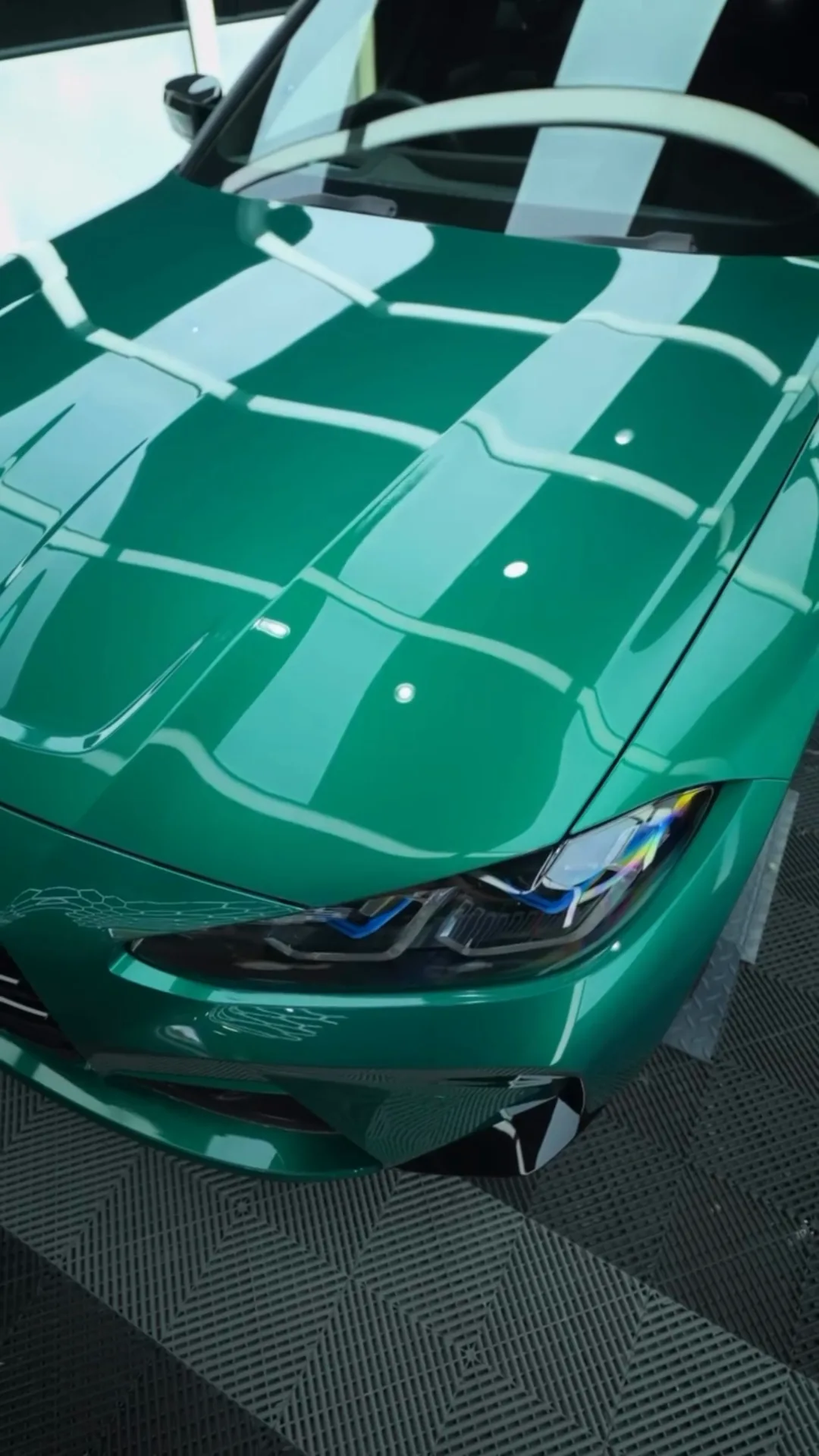
Does ceramic coating prevent scratches? No. A ceramic coating does not make paint scratch-proof, and it cannot stop stone chips, key scratches, branch marks or damage from automatic wash brushes, because it is a very thin layer rather than a cushion.
What a coating does do is make dirt release more easily, so a careful owner can wash with less pressure and less rubbing. That can reduce some wash marks, but the benefit comes from better washing, not from the coating stopping a scratch.
That distinction matters before you book ceramic coating in Auckland. A coating is bought for chemical resistance, gloss and easier maintenance, and it is very good at those jobs.
What Ceramic Coating Does Protect Against
A suitable coating helps with:
- easier removal of everyday dirt during safe washing
- resistance to bird droppings, tree sap and other contamination
- water repellency, so rain and rinse water run off
- UV resistance within the product's limits
- added gloss and slickness
- a sacrificial layer between the clear coat and light contamination
In Auckland that covers much of what paint deals with day to day: strong New Zealand UV, salt air near the Waitematā and Manukau harbours and the coast, sap, bird droppings, rain and road film. Hermosa, the coating Hayden uses for every professional ceramic coating, was built specifically for New Zealand conditions, including strong UV exposure and coastal environments.
Why Hardness Ratings Do Not Mean Scratch-Proof
Some coatings are marketed with a hardness rating such as 9H. That figure comes from a specific test and does not mean a coated car cannot be scratched in the real world.
Coating thickness, the clear coat underneath and how the test was done all affect what a number means. Treat any promise of scratch-proof paint as a warning sign rather than a feature.
Can Ceramic Coating Reduce Swirl Marks?
It does not remove existing swirls. A coating is clear and follows the surface, so swirls already in the paint stay visible unless paint correction reduces them before the coating goes on.
New swirls can still appear from dirty wash tools, dry wiping, brush washes or contaminated towels. Coated paint rewards a careful wash routine, but technique is still what prevents marks.
Where Do Most Marks on a Coated Car Come From?
Many of the marks that appear on a coated car come from the way it is washed and dried, not from the road. A dirty mitt, a towel dropped on the ground or a quick wipe of a dusty bonnet drags grit across the surface, coating or not.
That is good news, because washing habits are within your control. Clean tools, plenty of lubrication and light pressure prevent far more scratches than any product can.
Does a Coating Help With Very Light Contact?
A slick coated surface may reduce friction in some very light contact, but the result is unpredictable and should not be sold as scratch resistance. Dust under a towel, a bag dragged across a panel or a branch can still mark both the coating and the clear coat.
If a product claims to be scratch resistant, ask what test sits behind that claim and what it means for a real car in a real car park.
What Protects Against Stone Chips?
Paint protection film is designed to absorb some road impacts on the panels it covers, because it is far thicker than a coating. If stone chips from motorway driving are your main worry, that is the product to compare, since a coating is not the answer to impact damage.
Can Anything Stop Car Park Scratches?
No detailing product guarantees protection from keys, trolleys, doors, bags or deliberate damage. Careful parking, avoiding tight spaces and keeping objects off painted surfaces still matter more than any product.
Does Coating Protect Against Bird Droppings and Water Spots?
It gives chemical resistance and a sacrificial layer, which buys you time to clean contamination off safely. It does not make the surface immune: droppings left in the sun can still etch, and mineral-rich water can still leave spots on top of the coating.
Remove droppings and sap promptly with plenty of lubrication, and dry the car after washing rather than letting water evaporate on it. Heat speeds up etching, so droppings on a sun-baked panel need attention quickly.
Can a Scratch Be Removed After Coating?
Often, if it sits within the clear coat. Light defects can be polished out, but polishing removes the coating where it is done, so that panel needs preparing and coating again afterwards.
Scratches that go through the clear coat need touch-up or refinishing rather than more polishing.
Should You Coat a Car That Already Has Scratches?
You can, but the coating locks in how the paint looks on the day it goes on. If the scratches bother you, have them assessed first, because light ones may polish out while deeper ones need touch-up or refinishing.
A coating over freshly corrected paint keeps that improved finish easier to maintain, which is why correction and coating are so often done together.
How to Prevent Scratches on a Coated Car
The reliable approach is to avoid unnecessary contact and keep every wash gentle:
- rinse or pre-wash loose grit before touching the paint
- use clean wash mitts and keep wheel tools separate
- never wipe a dusty or dirty car dry
- dry with clean, soft towels
- avoid automatic brush washes
- keep bags, tools and other objects off painted panels
How to Choose the Right Protection
Start with the damage you are trying to prevent:
- Traffic film, contamination and hard-to-wash paint: a ceramic coating.
- Stone chips and road impacts: paint protection film on the exposed panels.
- Existing swirls and light scratches: paint correction first, then protection.
- A tight budget or short ownership: a wax or sealant, renewed regularly.
If you want to know what a coating can realistically do for your car, request a quote with the make, model, your suburb and how it is parked and washed. Hayden will be in touch, and the enquiry claims up to a $500 credit towards any package.