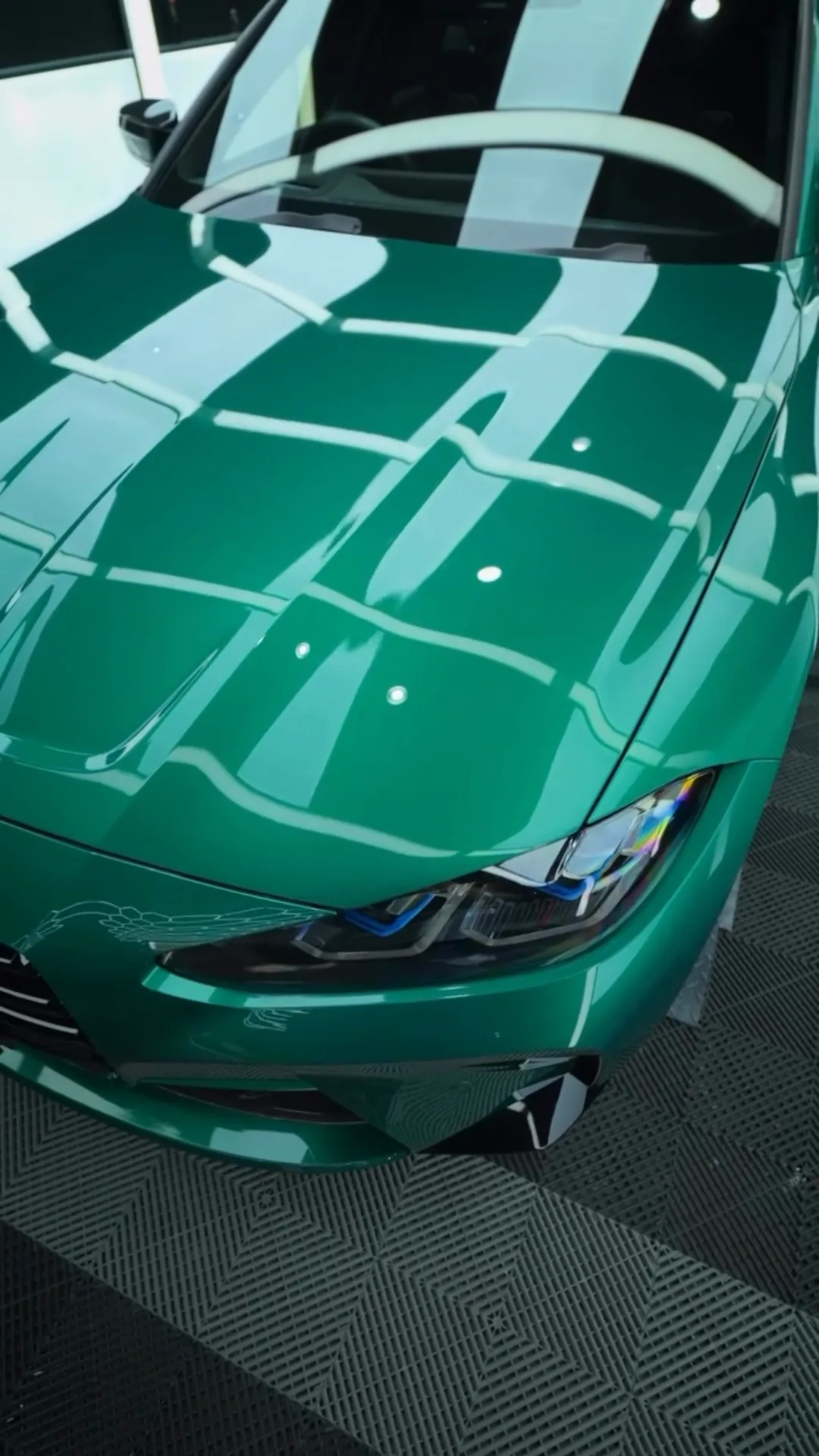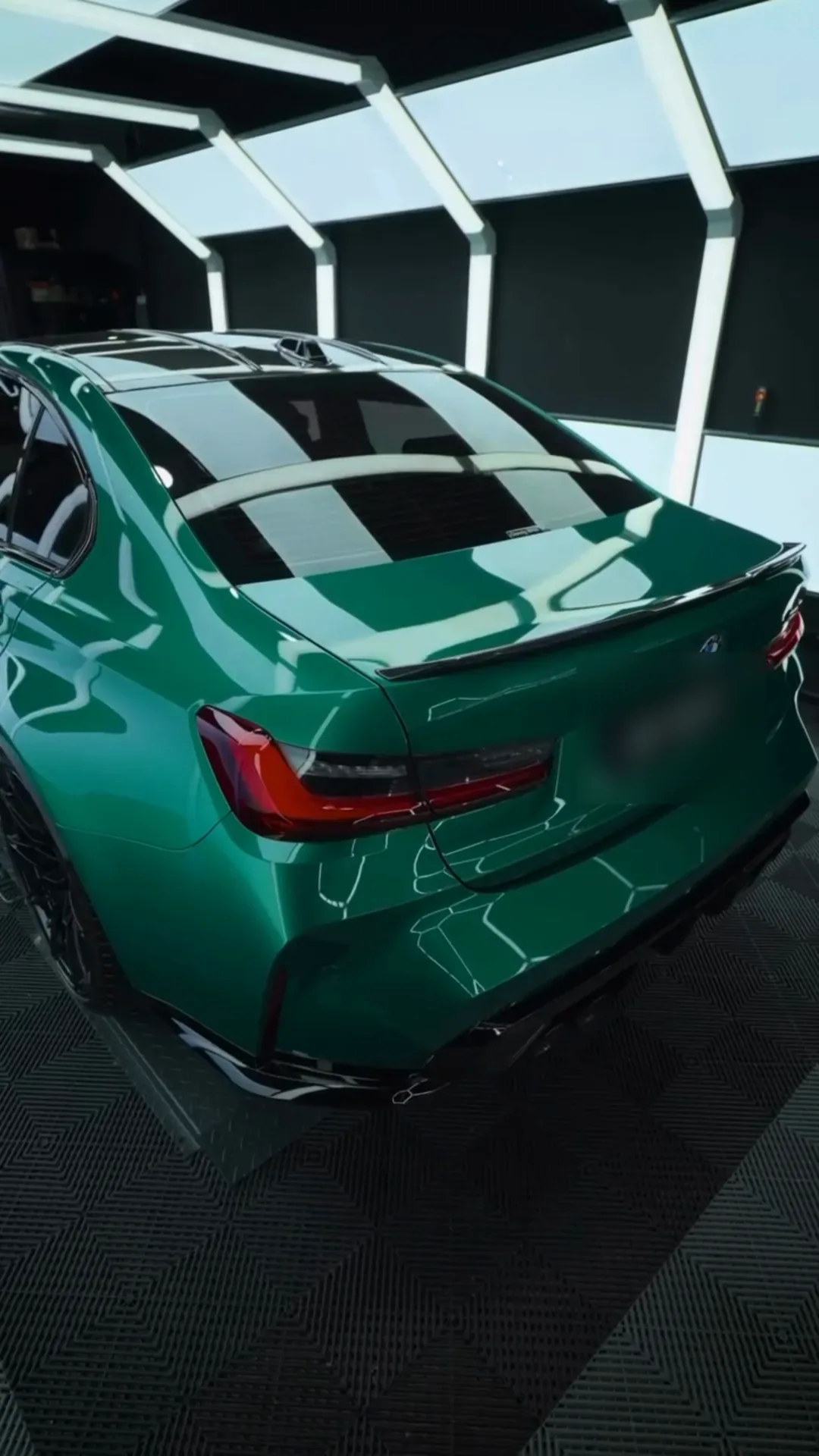
Is ceramic coating worth it for a new car? It can be, if you want easier washing, longer-lasting protection and a well-prepared finish from early in ownership. It is not worth buying for scratch-proof or chip-proof paint, because no coating delivers that.
A new car is a good candidate because there is usually less contamination and fewer defects to deal with than on an older one. New does not guarantee perfect paint, though, since transport, storage and dealership washing can leave water spots, residue or fine marks.
Marathon Detailing is fully mobile, so ceramic coating for a new car in Auckland happens at your home or workplace, with Hayden doing the work himself from start to finish.
What a Coating Adds to New-Car Paint
A professionally applied coating can give a new car:
- easier release of everyday grime during a proper wash
- strong water repellency, so rain and rinse water run off more readily
- resistance to bird droppings, tree sap and other contamination
- added gloss and a slick finish
- longer-lasting protection than most waxes or spray sealants
- a clean, protected starting point early in ownership
Those benefits depend on proper preparation and ongoing safe washing. Bird droppings, bug residue and mineral-rich water still should not sit on the paint for long.
Why New Cars in Auckland Benefit From Coating
Strong New Zealand UV starts working on paint from the first day a car is parked outside. Salt air near the Waitematā and Manukau harbours and the coast, tree sap, bird droppings and the road film from motorway driving all follow soon after.
Hermosa, the coating Hayden uses, was built specifically for New Zealand conditions, including strong UV exposure and coastal environments. On a new car, that protection goes on while the paint is still at its best.
What Ceramic Coating Will Not Do for a New Car
A coating will not:
- stop stone chips on the bonnet or bumper
- prevent scratches from physical contact
- make automatic brush washes safe
- hide swirls put in by a rushed delivery wash
- remove the need for regular washing
- guarantee a higher resale price
- prevent every water spot or chemical mark
If front-end stone chips from motorway driving are your main worry, paint protection film is the product designed for impact. Coating and film solve different problems.
Does a Brand-New Car Need Paint Correction First?
Not automatically. Machine polishing removes a small amount of clear coat, so it only makes sense when the clean paint shows defects you want improved.
Plenty of new cars need only a safe wash, decontamination and a final residue-free wipe before coating. If the paint does show swirls, haze or water spots, paint correction before the coating can reduce them so they are not sealed in.
Is Dealership Paint Protection the Same Thing?
Not necessarily. Paint protection is a broad label that can describe very different products and processes, so before you compare options, ask:
- What exact product is applied?
- Who prepares the paint, and how?
- Is any decontamination or correction included?
- Which surfaces are covered?
- What do the written warranty terms require and exclude?
- What aftercare advice comes with it?
Compare the answers like for like, rather than assuming one option is better because of where it is sold.
When Ceramic Coating Is Worth It on a New Car
A coating tends to make sense when you:
- plan to keep the car for several years
- value easier washing and a consistently clean finish
- will wash the car safely or have it maintained professionally
- understand that chips and scratches need different protection
- want the paint protected before contamination builds up
It makes less sense for a car you will sell soon, a car that will rarely be washed, or an owner whose only concern is stone chips.
Is a Sealant or Wax Enough Instead?
For some new-car owners it is. If the car will be sold fairly soon, or you enjoy regular hands-on care, a quality sealant or wax renewed regularly can be the better value.
A coating earns its extra cost through longer-lasting protection and easier washing across a longer ownership. If you will not keep the car long enough to benefit, simpler protection is the honest recommendation.
How Soon Should You Coat a New Car?
As soon as practical after delivery is a sensible goal, because the paint has had the least exposure. There is no point at which paint becomes too old to coat, but waiting usually adds cleaning and sometimes correction work.
If your delivery date is set, get in touch early. Marathon Detailing works seven days a week by appointment only, so you can plan a time around the handover.
What Affects the Cost of Coating a New Car?
The coating product is only part of the price. The condition of the paint, how much decontamination or correction it needs and the vehicle itself all shape the job, and Hayden confirms the price for your car before any work starts.
A lower quote elsewhere may simply cover less, such as paint-only coverage or no decontamination, while a higher one may include more preparation. Compare what is actually included rather than package names.
How to Look After a Coated New Car
In the first days after coating, follow the curing advice you are given, keep the car out of the rain if you are asked to, and lift off any bird droppings gently with plenty of water rather than scrubbing.
After that, wash it safely whenever it is dirty, deal with sap and droppings promptly and use pH-neutral products. Avoid dry wiping and automatic brush washes.
If water stops beading the way it did, wash the car properly before assuming the coating has failed. Traffic film and mineral deposits can mask a healthy coating.
Deciding If a Coating Suits Your New Car
Ceramic coating is worth it on a new car when its real benefits match how you will drive, park and wash it. If they do, starting early is the simplest way to get the most from it.
To plan new-car ceramic coating, request a quote with the make, model, your suburb and when the car arrives. Hayden will get back to you, and your enquiry also claims up to a $500 credit towards any package.