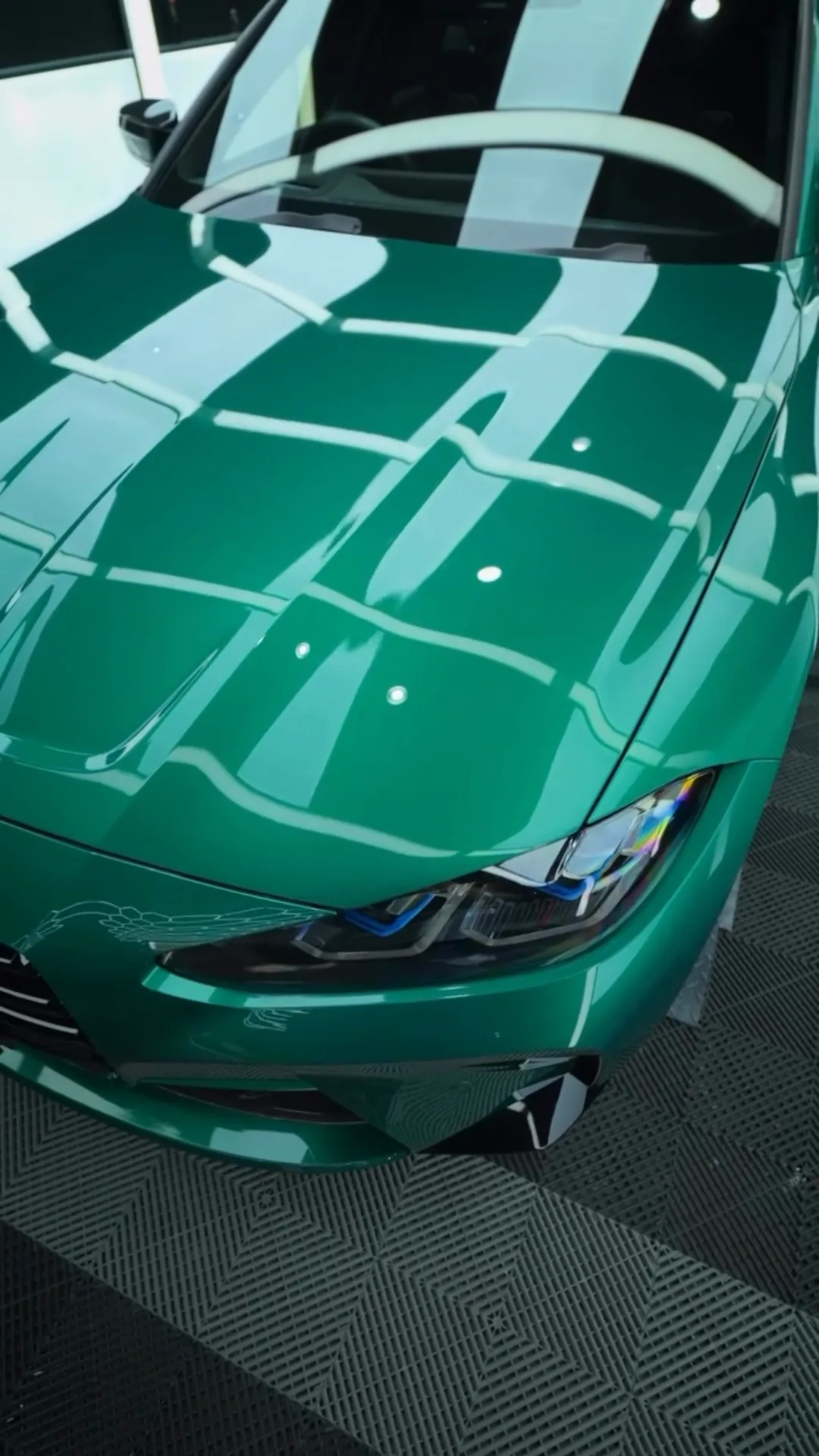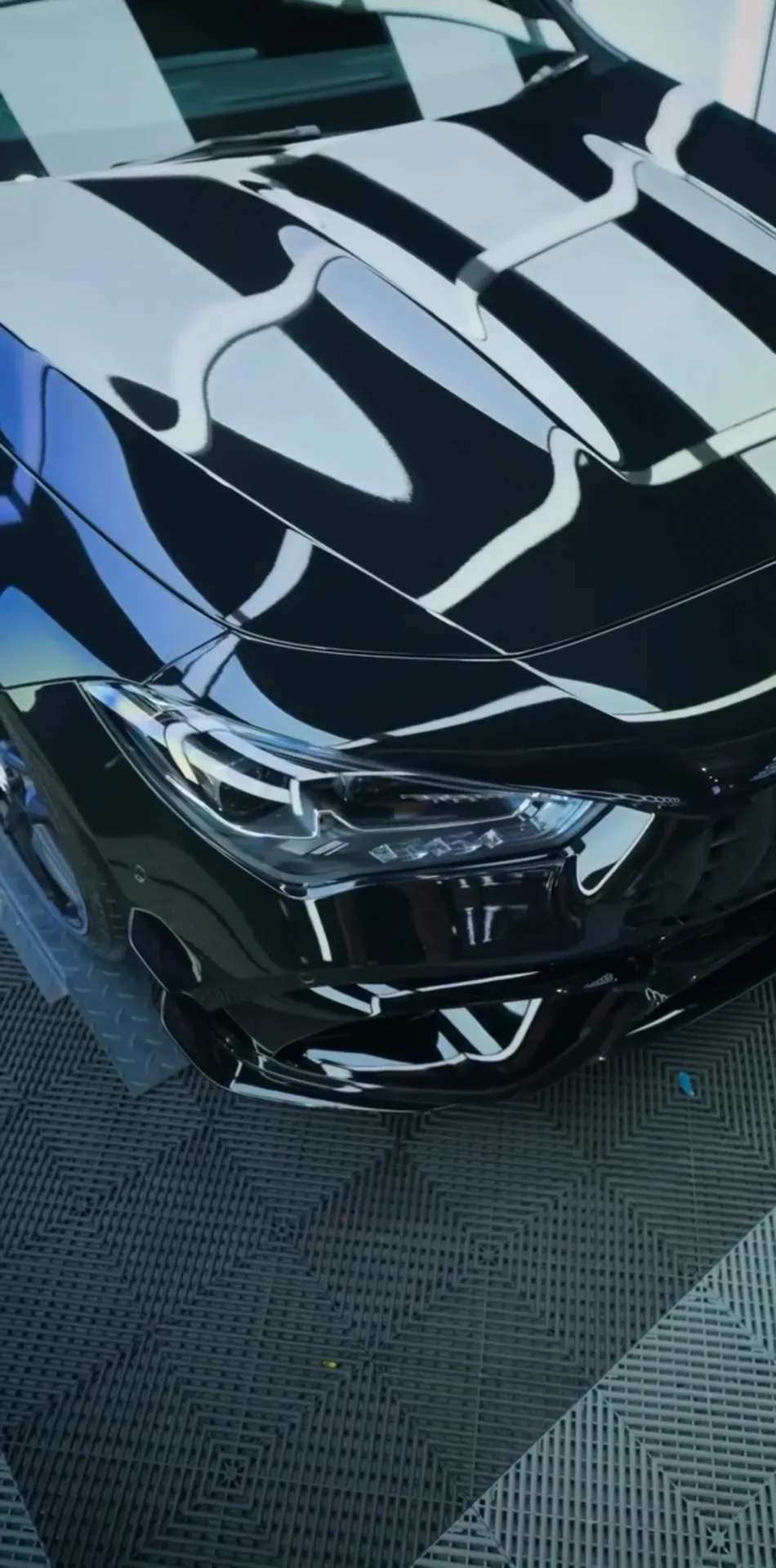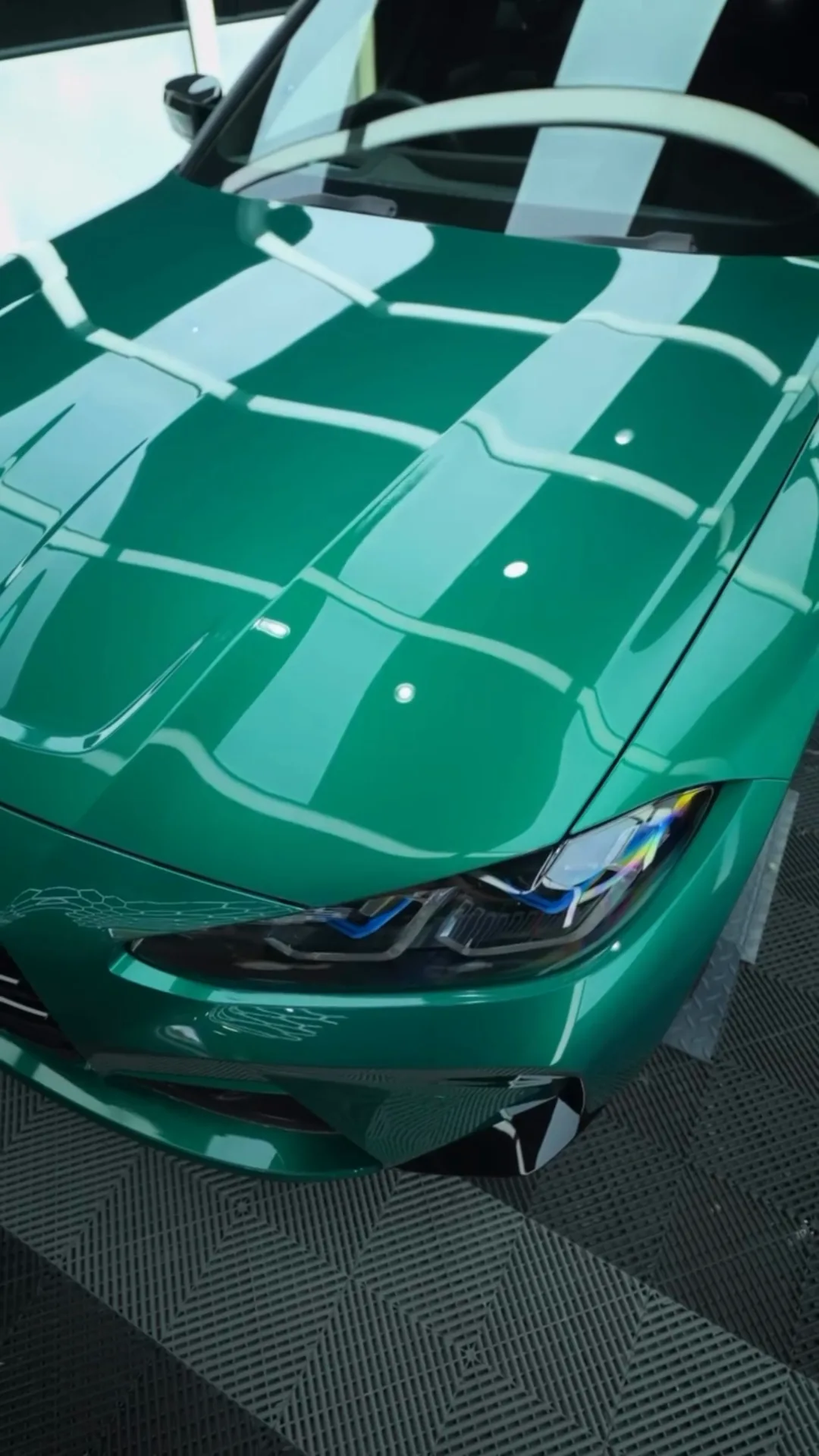
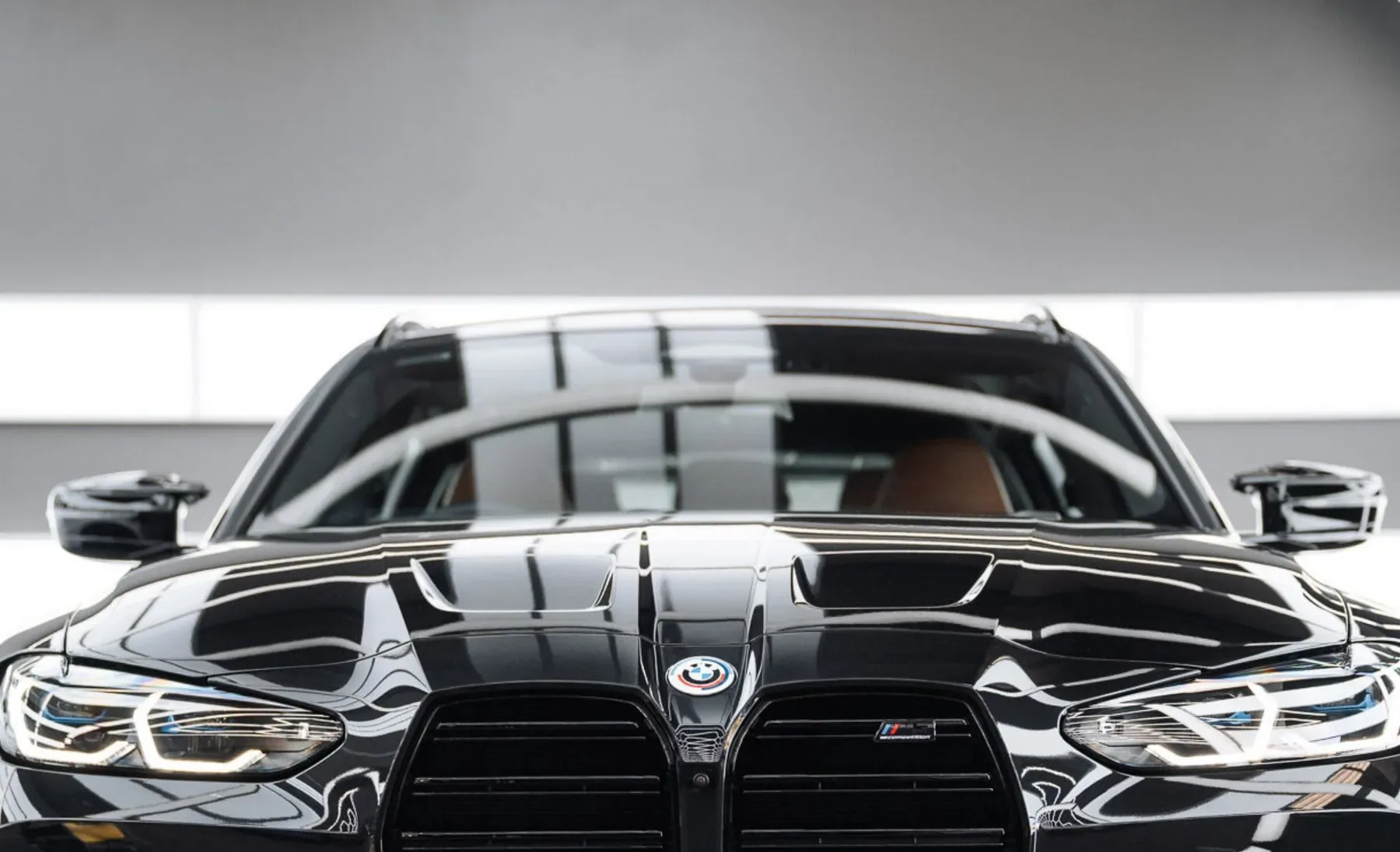
In the ceramic coating vs wax comparison, wax is a lower-cost, shorter-lived layer that is easy to reapply, while a ceramic coating bonds to prepared paint and lasts considerably longer. A coating also gives stronger chemical resistance and easier washing, but it needs more preparation and costs more upfront.
Neither is automatically right. Wax suits owners who enjoy regular reapplication or want a low upfront cost, while a coating suits owners who want longer-term protection and will keep washing the car properly.
Ceramic Coating vs Wax at a Glance
- What it is: wax is a sacrificial layer that sits on the paint, while a coating cures into a bonded layer.
- Preparation: wax needs clean paint, while a coating needs thorough cleaning, decontamination and a residue-free surface.
- Application: wax is easy to apply yourself, while a professional coating needs careful, controlled application.
- Durability: wax needs renewing often, while a coating is designed to last considerably longer.
- Chemical resistance: limited with wax and generally stronger with a coating, within the product's limits.
- Maintenance: both need regular washing, and wax also needs regular reapplication.
- Scratches: neither makes paint scratch-proof.
- Upfront cost: lower for wax, and higher for a coating because of the preparation, labour and product.
How Car Wax Protects Paint
Wax leaves a thin, sacrificial layer over clean paint. It adds gloss, slickness and water beading, and it takes some of the contamination that would otherwise sit directly on the clear coat.
It wears away through washing, heat, rain and time, so it needs renewing regularly. That ease of renewal is part of the appeal, because you can refresh it whenever it stops performing.
Strong New Zealand UV and regular rain both work against wax, so a car parked outside in Auckland will usually need it renewed more often than a garaged one.
How Ceramic Coating Protects Paint
A ceramic coating cures into a harder, bonded layer. It improves chemical resistance, holds its gloss and helps grime release during washing, and it lasts considerably longer than wax.
It needs more careful preparation because it is designed to stay on the paint for a long time, and anything left underneath stays visible. Hermosa, the coating Hayden uses for ceramic coating in Auckland, was built specifically for New Zealand conditions, including strong UV exposure and coastal environments.
Where Do Paint Sealants Fit In?
A synthetic paint sealant sits between the two. It usually lasts longer than a traditional wax and is still easy to apply, but it does not cure into the harder, bonded layer a ceramic coating forms.
Some spray products are labelled ceramic, and they can add slickness and water beading for a while. They are useful top-ups, but they are not the same as a professionally applied coating on prepared paint.
Which Gives Better Gloss?
Both add gloss, but the condition of the paint underneath matters far more. Clean, corrected paint with wax can look better than swirled paint with a coating.
A coating tends to give a crisp, glassy look and a slick feel, while some enthusiasts prefer the warmer look of a good wax. To see coated cars in real light, you can find Marathon Detailing on Instagram at @marathondetailing_nz.
Which Lasts Longer?
A ceramic coating lasts considerably longer than a conventional wax when both are applied and maintained properly. Exactly how long depends on the preparation, the product, how the car is washed and where it is kept.
Hayden confirms what to expect and the warranty for your car when he calls, rather than quoting one figure for every car.
Which Is Easier to Maintain?
A coating usually makes regular washing easier, because dirt has less to grip. Wax gives slickness and water repellency too, but it needs reapplying, and neither makes a car self-cleaning.
If you enjoy a weekend wax, that routine may suit you well. If you want a stable base layer and less frequent effort, a coating is the better fit.
Does Either Protect Against Scratches or Stone Chips?
No. Wax has almost no physical thickness and a ceramic coating is also very thin, so neither can stop road impacts or careless contact. Paint protection film is the product designed for impact protection on the panels it covers.
Can You Put Wax Over a Ceramic Coating?
You can, but it is rarely needed and can change how the coating behaves with water. If you top a coating with anything, use a product that is compatible with it.
Putting a coating over wax does not work, because the wax gets in the way of the bond. Old wax has to be removed during preparation before any coating goes on.
What Does Each Option Cost?
Wax costs less upfront because the product and preparation are simpler, but it is renewed often. A coating costs more because of the decontamination, any correction, the careful application and the product itself.
The Professional Ceramic Coating is advertised at $739, which is already a promotional price. Full detailing and paint correction are quoted for the car, and Hayden confirms the price before any work starts.
When to Choose Wax
Wax is the better choice if:
- you prefer a lower upfront cost
- you enjoy regular reapplication
- you want flexible, short-term protection
- you are preparing the car for sale or an event
- you are not ready to commit to coating preparation
When to Choose Ceramic Coating
A coating is the better choice if:
- you want longer-term protection
- easier washing matters to you
- you plan to keep the car and look after it
- you want the paint properly prepared first
- you accept that it does not stop scratches or chips
If you are still unsure, think about how the car will actually live: how often it will be washed, where it will be parked and how long you will keep it. Those answers usually make the choice for you.
If you are weighing the two for your own car, request a quote with the make, model, your suburb and how the car is kept. Hayden will come back to you to talk through which one suits it.