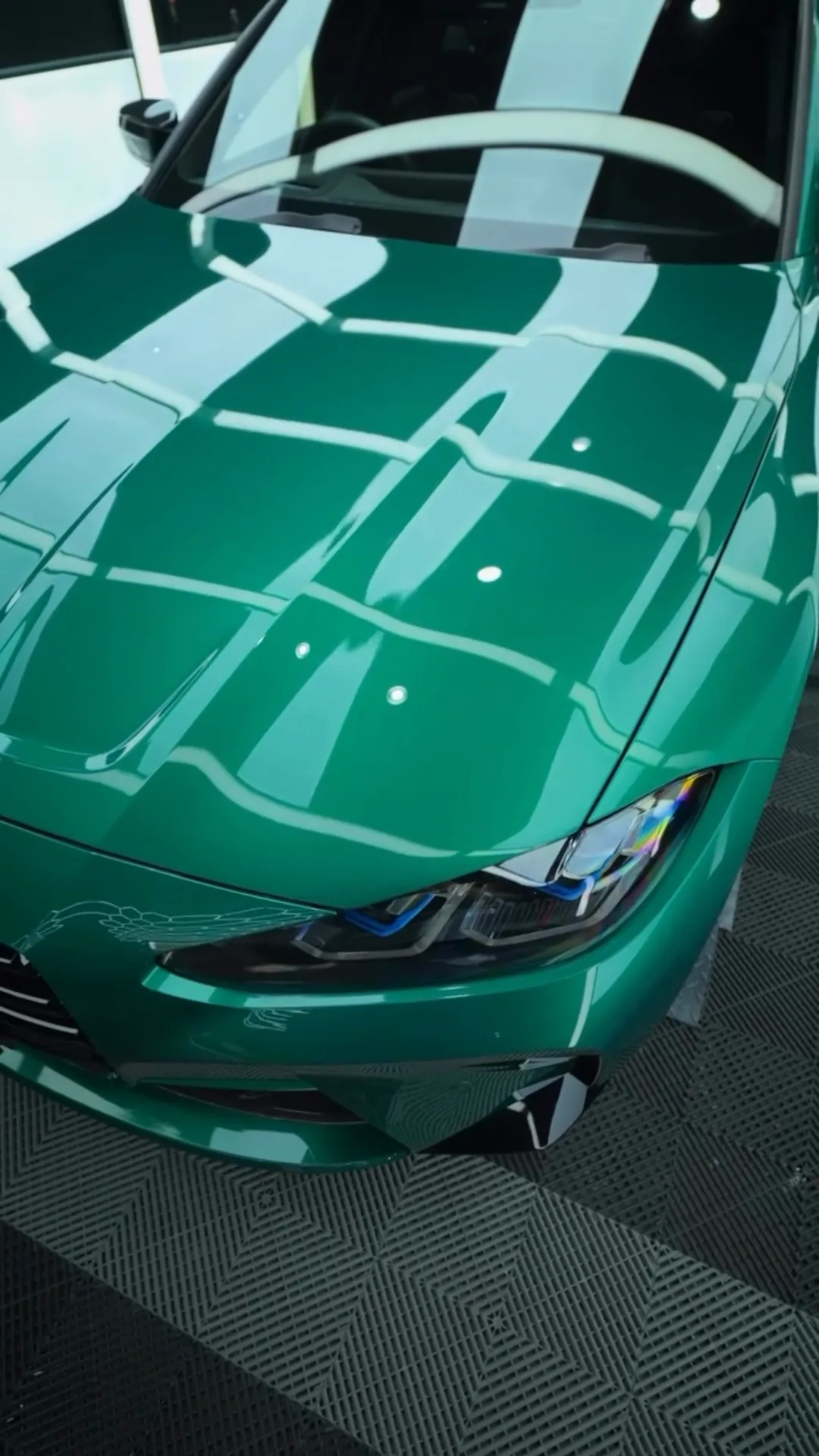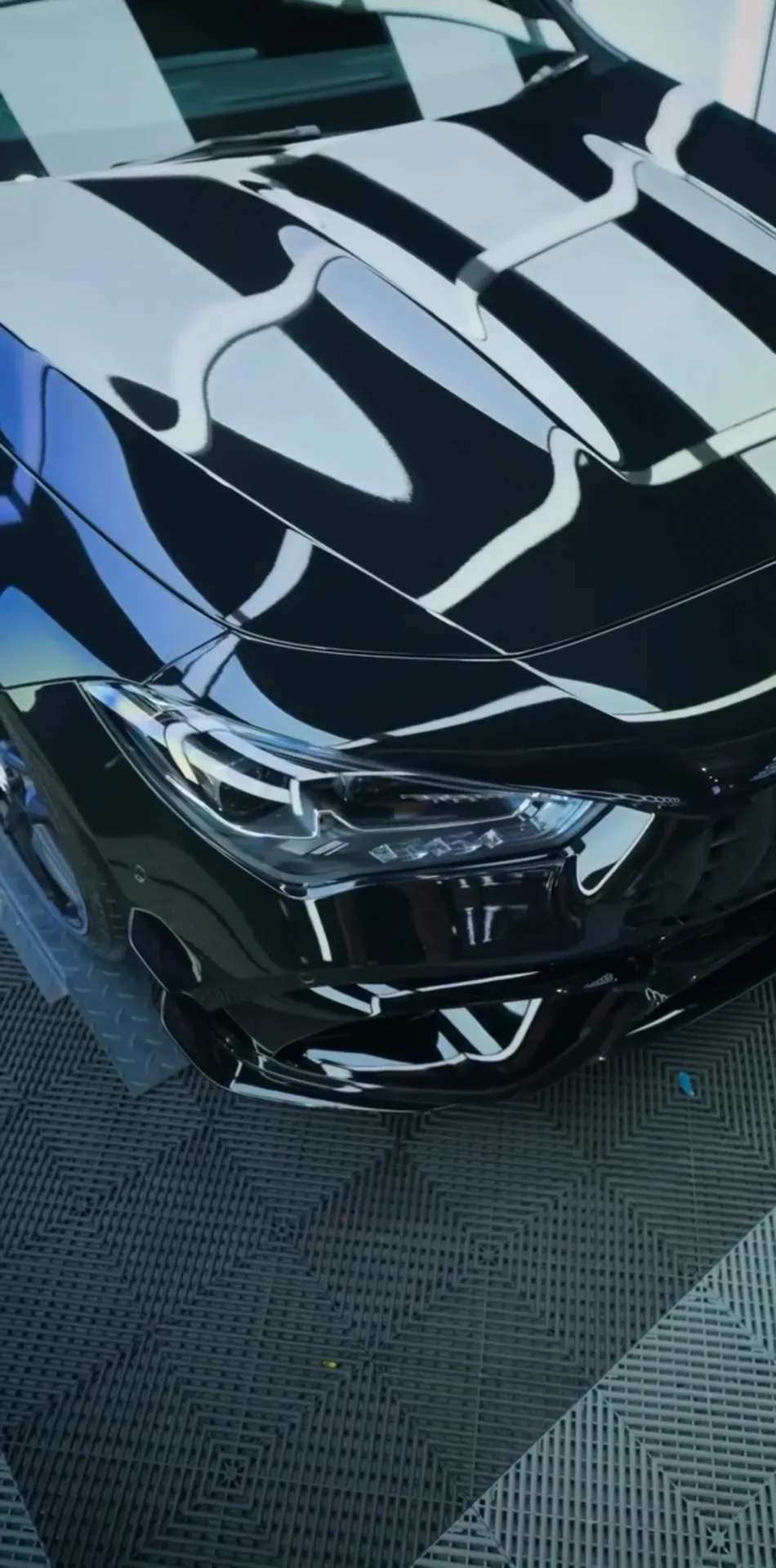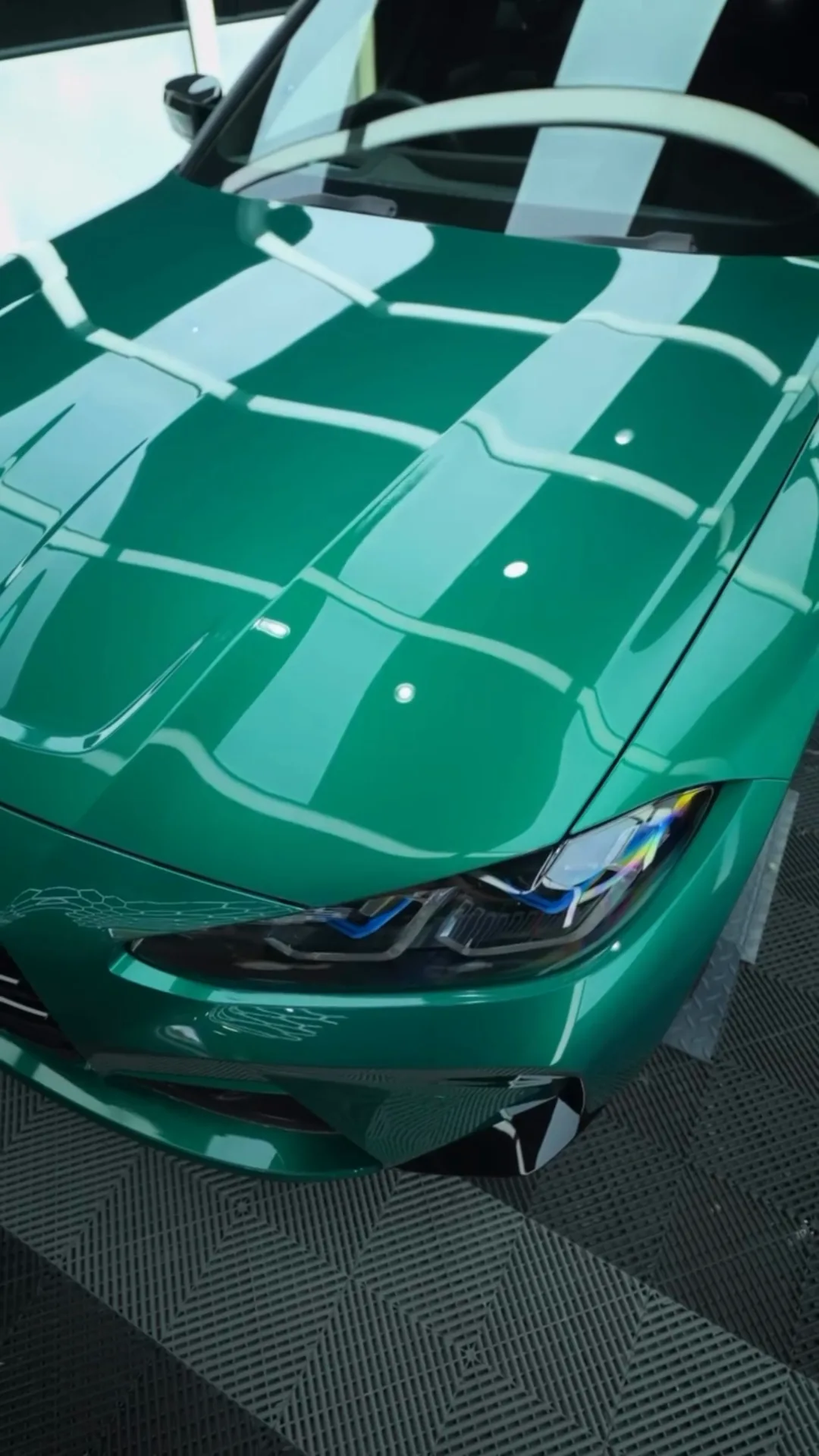
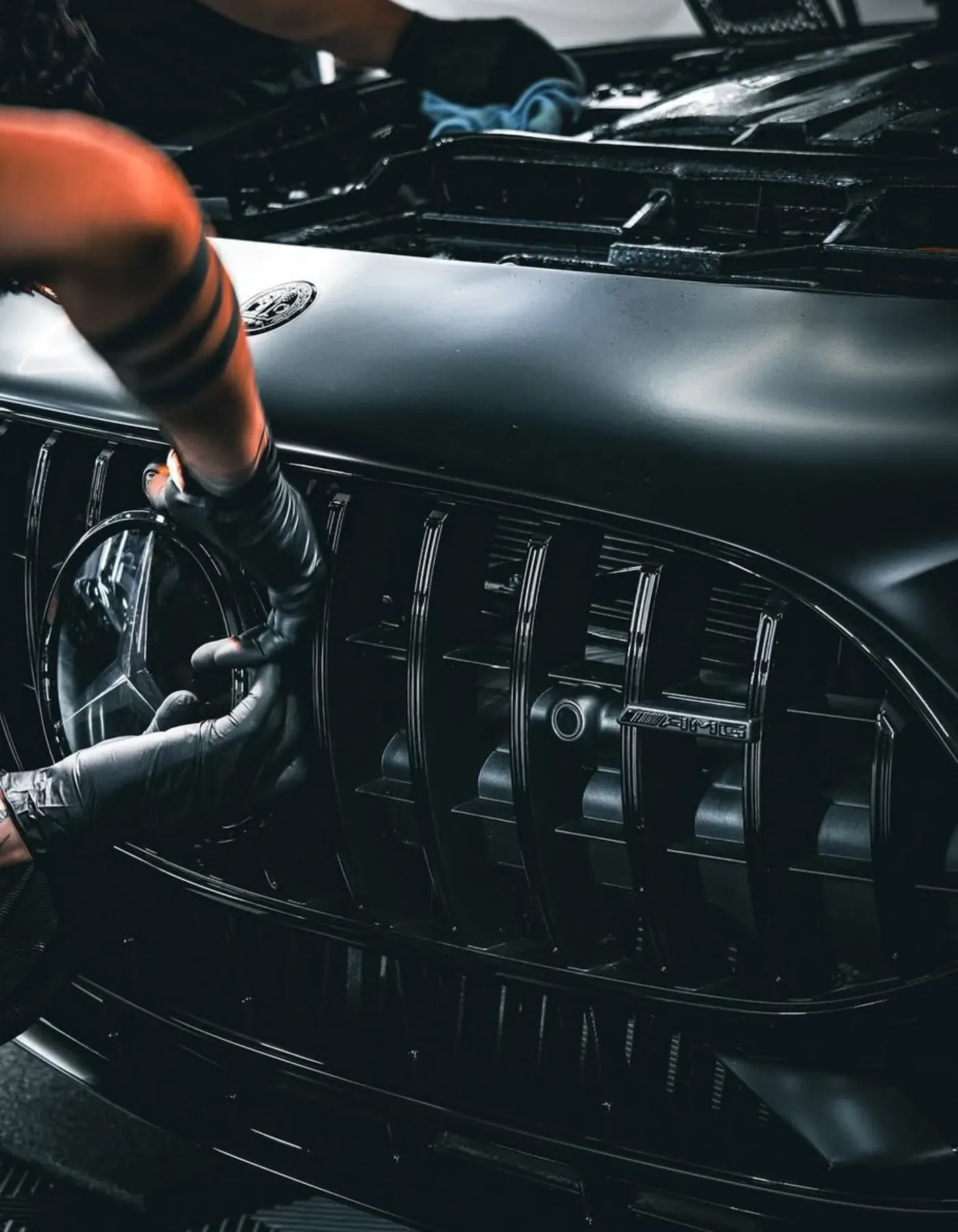
Ceramic coating preparation usually includes a thorough wash, removal of bonded contamination, a careful paint inspection and a final wipe to remove oils and residue. Paint correction is added when there are defects the owner wants improved, but it is not automatically needed on every car.
Preparation matters because a coating is clear and designed to stay on the paint for a long time. Dirt, wax, residue and swirls left underneath are not fixed by the coating; they are sealed in.
Knowing what each step does makes it easier to compare quotes for ceramic coating in Auckland, and to see why the coating itself is only part of the job.
Step 1: Agree on the Goal and the Surfaces
Before any work starts, it should be clear which surfaces are being coated, what result you expect and how the car will be washed afterwards. Someone after easier washing may need different preparation from an enthusiast chasing a flawless finish.
Mention any repainted panels, touch-ups, existing coatings or aftermarket parts when you enquire, so expectations are realistic from the start.
Step 2: Inspect the Paint
Inspection in good light can reveal swirls, water spots, overspray, stone chips, failing clear coat or repainted panels. Shade hides a lot, so the paint needs looking at in light that shows defects rather than flatters them.
Some of what turns up can be improved by polishing, and some needs body repair instead. A coating should never be presented as a fix for peeling clear coat, rust or deep damage.
Step 3: Wash the Car Safely
Loose dirt and traffic film come off first, with a pre-wash, careful contact washing and attention to wheels, arches, door sills and crevices. Clean tools and sensible chemistry avoid adding marks before the coating goes on.
In Auckland, that wash often has to deal with salt residue near the Waitematā and Manukau harbours and the coast, tree sap, bird droppings and the road film from motorway driving.
Step 4: Remove Bonded Contamination
Iron fallout, tar, sap and mineral deposits can stay bonded to the paint after washing. Chemical decontamination dissolves some of it, and clay or another mechanical method removes what remains, though clay can mar the surface and should not be automatic.
The paint is easier to judge once it is truly clean, because hidden defects show up more clearly.
Step 5: Decide How Much Paint Correction Is Needed
Correction uses machine polishing to remove a small amount of clear coat and reduce defects such as swirls, haze and light oxidation. Deep scratches, chips and clear coat failure remain.
There are three common preparation paths:
- Clean and prepare only: for paint that is already in good condition.
- A single-stage enhancement: for a worthwhile gloss lift and fewer light defects.
- More involved correction: for owners after greater defect reduction, where the paint allows it.
If swirls bother you, ask about professional paint correction before the coating, because a clear coating will not hide them.
Step 6: Remove Oils and Residue
Polishing oils, old protection and residue need to come off with a method that suits the coating. The aim is a clean, stable surface that lets the coating bond evenly.
This is not a case of wiping the car with the strongest solvent available, because trim, fresh paint and sensitive surfaces need the right products.
Step 7: Apply in Suitable Conditions
The car needs to be dry, and conditions need to suit the product, including temperature, humidity and the chance of rain while it cures. Dust and wind can also land on a fresh coating.
Marathon Detailing is fully mobile, so Hayden does this work at your home or workplace. The coating he uses is Hermosa, built specifically for New Zealand conditions, including strong UV exposure and coastal environments.
How Long Does Preparation Take?
It varies with the size of the car, how contaminated it is and how much correction it needs. Preparation is usually most of the job, and applying the coating is a smaller part than most owners expect.
That is also why a quote promising a very quick coating job deserves a closer look at what preparation is actually included.
What Happens When Preparation Is Rushed?
Rushed preparation tends to show up later rather than on the day. Contamination left on the paint can weaken the bond, polishing oils can cause patchy behaviour, and swirls that were never corrected stay locked under the coating.
High spots, where excess coating was not levelled properly, can also leave dark or smeary patches that are hard to remove once cured. Careful preparation and application are what avoid them.
Can a Coating Be Applied Without Polishing?
Yes, when the paint is clean, stable and already looks the way you want. Polishing is done to improve appearance, not because every coating needs it to bond.
A quick wash is still not enough preparation on its own, because decontamination and a residue-free surface still matter.
Does a New Car Need the Same Preparation?
A new car usually needs less, but not nothing. Transport, storage and dealership washing can leave adhesive residue, water spots or fine marks, so the wash, decontamination and final wipe still apply.
Whether it needs polishing depends on what the clean paint shows. A new car with clean, unmarked paint can go straight from decontamination to the final wipe and coating.
Why Preparation Can Change the Price
A description of the car cannot show bonded contamination, how hard the paint is, earlier repairs or how deep the defects go. Those only become clear once the car is clean, which is why preparation is the part of a coating job that varies most.
Hayden confirms the price for your car before any work starts.
What to Do Before Your Appointment
Avoid applying fresh wax or sealant in the lead-up, because it has to come off again before coating. Do not attempt aggressive polishing yourself just before a professional looks at the paint.
To plan Hermosa ceramic coating for your car, request a quote with the make, model, your suburb and anything you know about the paint's history. Hayden will come back to you, and that enquiry also claims up to a $500 credit towards any package.