In the car detailing vs car washing question, the real difference is depth. A car wash removes everyday dirt from the outside of the car, while car detailing is a more thorough process that cleans harder-to-reach areas, removes bonded contamination, deep cleans the interior and adds suitable protection.
Neither is better on its own terms. A safe maintenance wash is exactly what most cars need most weeks, and detailing earns its place when washing no longer gets the result you want.
Hayden provides car detailing in Auckland at your home or workplace, so it helps to know which service you are actually asking for before you book.
Car Wash vs Car Detail at a Glance
- Focus: a wash removes loose exterior dirt, while a detail cleans and restores the whole car in depth.
- Time: a wash is usually quick, while a detail takes considerably longer and often has several stages.
- Coverage: a wash does little for door jambs, wheels or the interior, while a detail covers them properly.
- Contamination: a wash leaves bonded deposits behind, while a detail can remove them chemically and mechanically.
- Protection: a wash may add a basic spray, while a detail applies protection suited to the car.
- Best for: a wash suits regular upkeep, while a detail suits a reset, preparation or a car that needs real attention.
What is included varies a lot between providers, so always compare what is actually done rather than the name on the package.
What a Normal Car Wash Does
A wash should remove loose dust, mud, traffic film and fresh contamination from the outside of the car. A careful hand wash includes a rinse or pre-wash, separate wheel cleaning, contact washing with clean tools and controlled drying.
Method matters. Automatic brush washes drag grit across the paint and leave fine marks, and touchless washes rely on strong chemicals that can still leave traffic film behind.
A hand wash is not automatically safe just because it is done by hand. Clean equipment, sound technique and the right chemicals are what make the difference.
Why Washing Alone Falls Short in Auckland
Salt residue near the Waitematā and Manukau harbours and the coast, tree sap, bird droppings and the road film left by rain and motorway driving all bond to paint over time. A quick wash removes the loose layer and leaves much of that behind.
Strong New Zealand UV also bakes contamination onto the paint and dries out interior surfaces in cars parked outside. That is where a detail, rather than another wash, starts to make sense.
What Extra Work Happens During Car Detailing?
Detailing goes beyond loose dirt. On the outside, a detail commonly includes:
- thorough cleaning of wheels, tyres, arches, grilles and badges
- removal of iron fallout, tar and other bonded deposits
- clay treatment where the paint needs it
- cleaning of door jambs, glass and trim
- a protective wax, sealant or coating
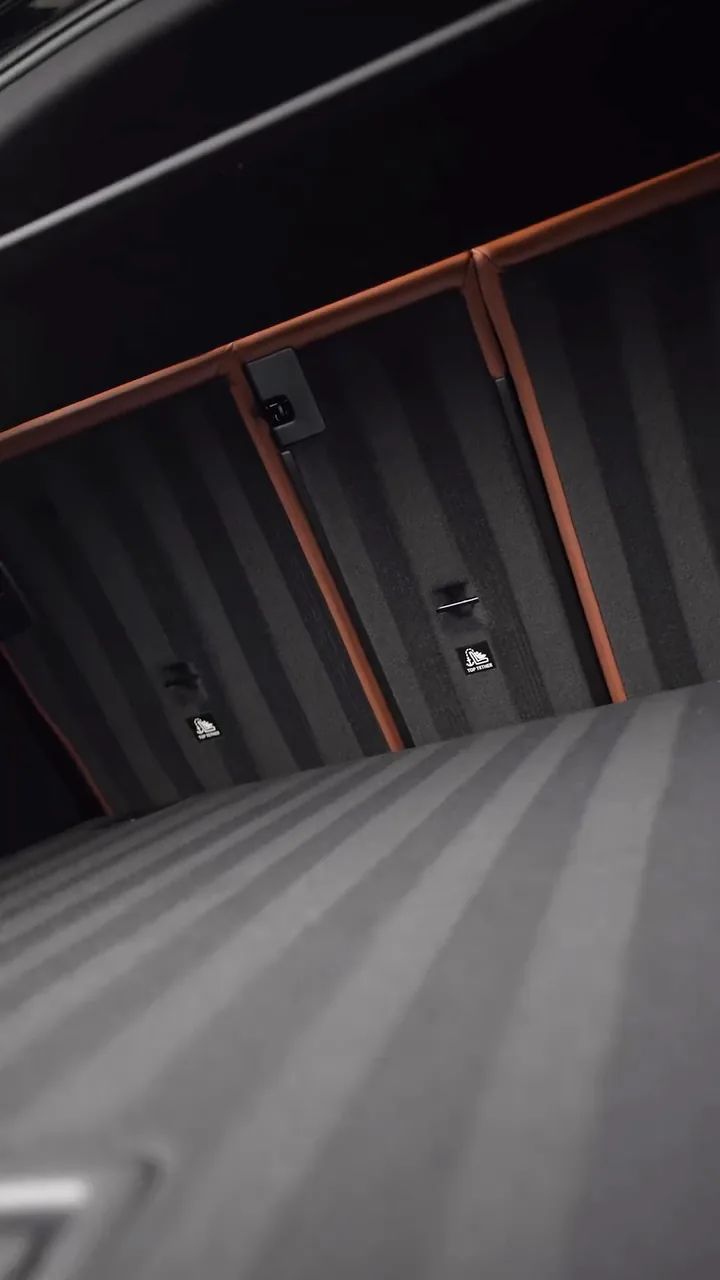
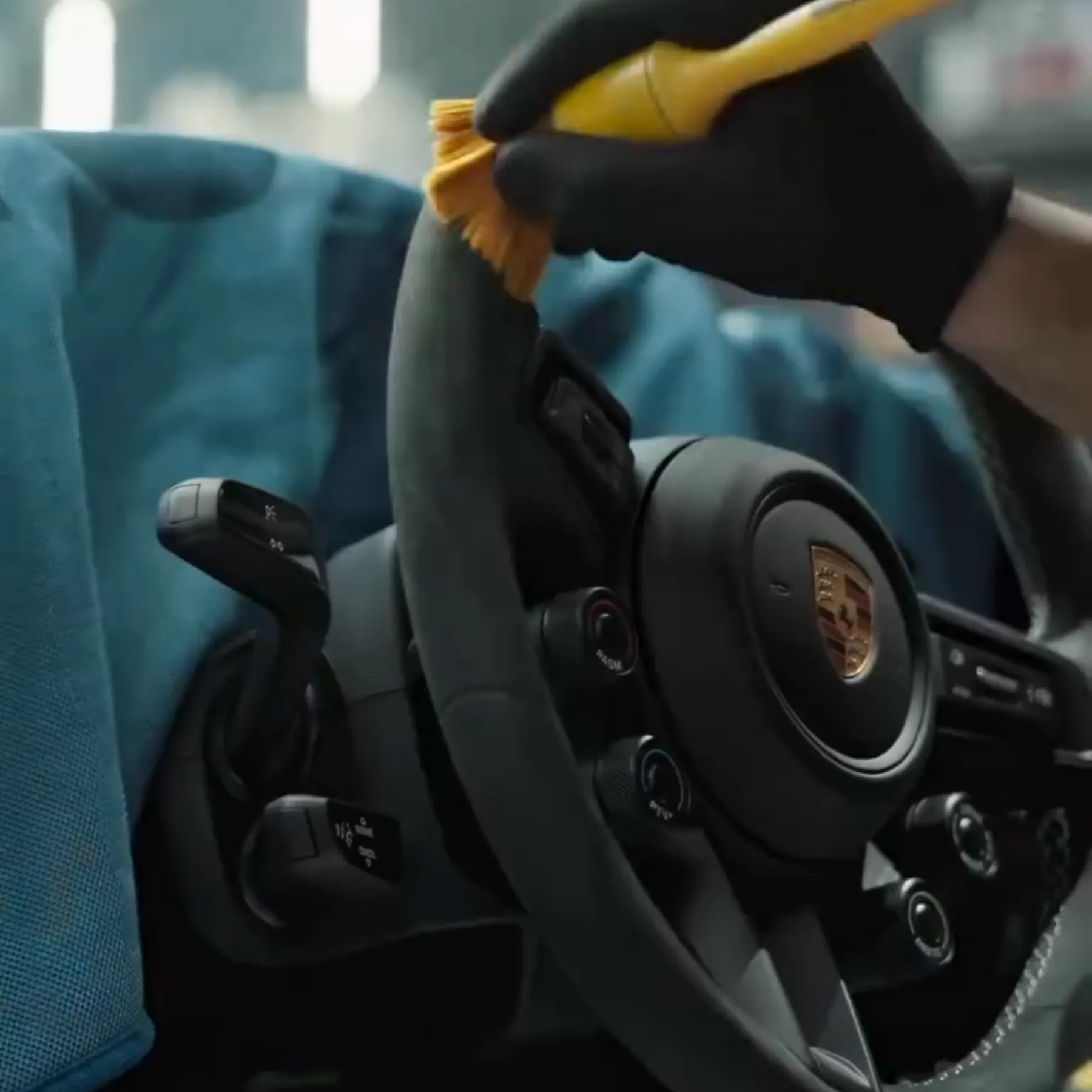
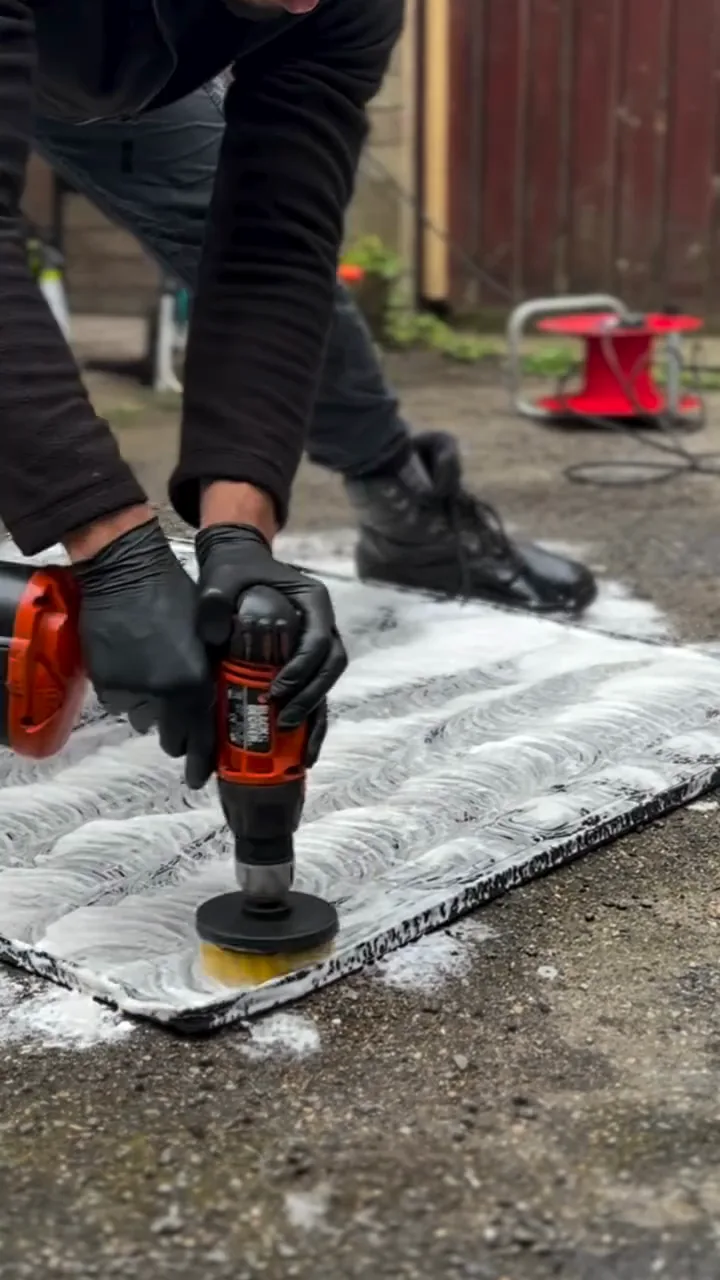
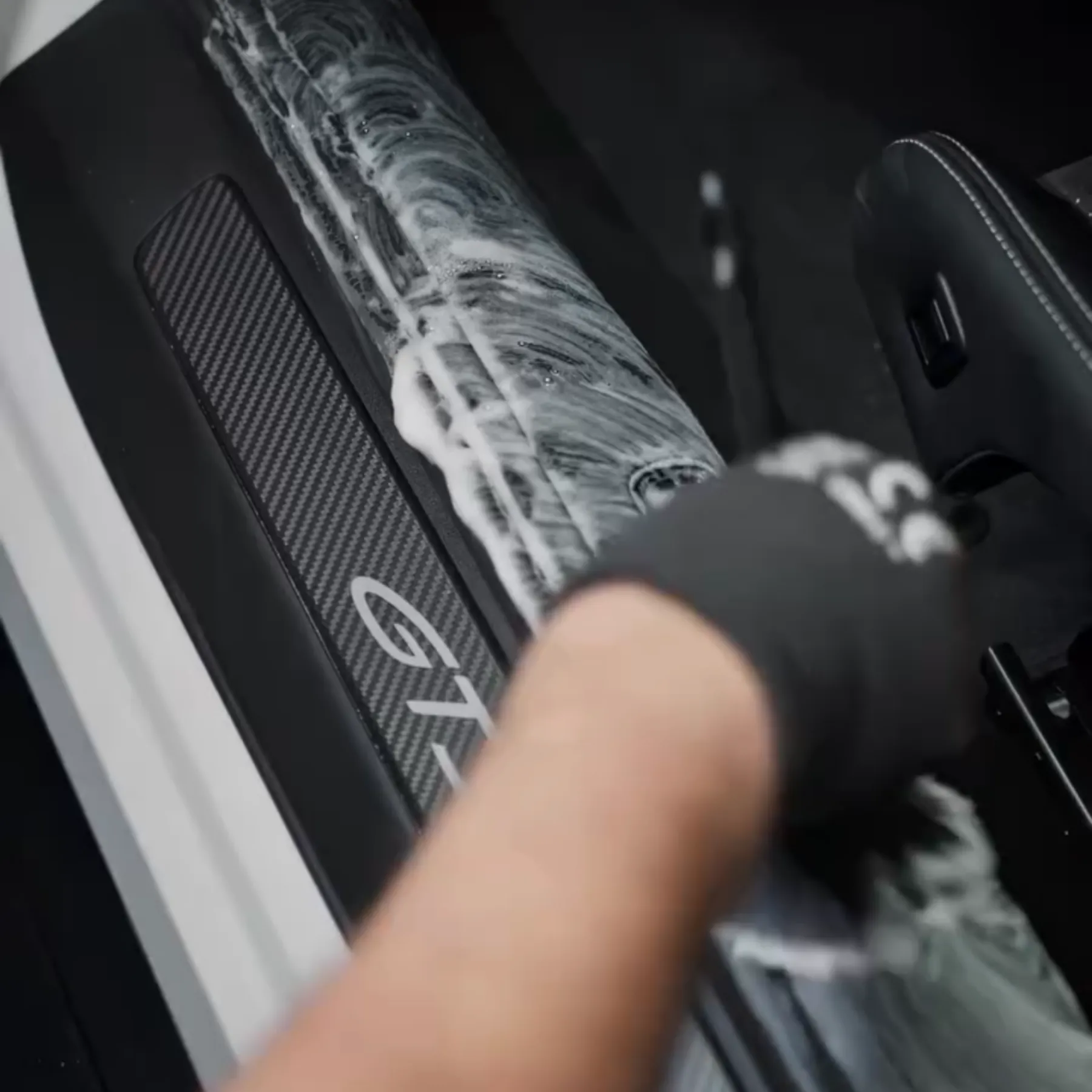
Inside, it usually covers detailed vacuuming, material-appropriate cleaning of seats and surfaces, attention to vents, seams and cupholders, and treatment of marks and spills. Not every car needs every process, and clay or machine polishing should never be automatic.
Does Detailing Remove Scratches and Stains?
Detailing can improve some defects, but the word itself does not promise scratch or stain removal.
Machine polishing can reduce or remove marks that sit within the clear coat, while deeper scratches may need touch-up or refinishing. That work is paint correction, which goes beyond what a typical detail includes.
Stain treatment can transform many interiors, but permanent dye changes or damaged fibres may limit the result. An honest detailer tells you what is realistic before starting.
When Is a Car Wash Enough?
A maintenance wash is enough when the car is in good condition, the interior only needs a tidy and the goal is to remove recent dirt. Regular safe washing matters even more if the paint has wax, sealant or a ceramic coating.
A wash may not be enough if:
- clean paint still feels rough or looks contaminated
- tar or iron spots remain after a normal wash
- protection has stopped working even after a proper wash
- the cabin has embedded grime, pet hair, spills or odours
- you are preparing the car for sale or for protection
- you want paint defects assessed or improved
Can Regular Washing Replace Detailing?
Not entirely, but good washing makes detailing easier and less frequent. Safe, regular washes stop contamination building up, so each detail starts from a better place and needs less aggressive work.
The two work best together: careful washing for the weeks in between, and a detail when the car needs a proper reset.
Is a Detail Worth Paying More For?
A detail costs more because it takes more time, skill and product. It is worth it when that extra scope solves a real problem, such as rough paint, a neglected interior or a car being prepared for a coating.
Professional car detailing at Marathon Detailing is quoted for the car, and Hayden confirms the price before any work starts. When you compare quotes, check what is included rather than the package name.
Which Service Does Your Car Need?
Choose the smallest service that meets what the car needs right now:
- Recent surface dirt: a maintenance wash.
- Surface dirt and a general cabin tidy: a maintenance detail.
- Built-up contamination or neglected areas: a full detail inside and out.
- Swirls, dullness or visible paint defects: a paint assessment and possibly correction.
- Longer-term protection: preparation followed by wax, sealant or ceramic coating.
If the terminology still feels unclear, describe the result you want rather than asking for a package by name. That is a far better starting point for an honest recommendation.
When you are ready, request a quote and describe the car and what is bothering you in the note. Hayden will come back to you, and sending it claims up to a $500 credit towards any package.